
One table to put sustainability at the heart of Indian education.
In August 2019, the UN Information Centre, AROH Foundation and Brainwiz co-hosted a roundtable on Education for Sustainable Development (ESD) at UN House, New Delhi — bringing policy makers, regulators, the UN, NGOs and schools together to ask how every Indian classroom could teach for a sustainable future.
Co-hosted by Brainwiz · Tarush Jain presented
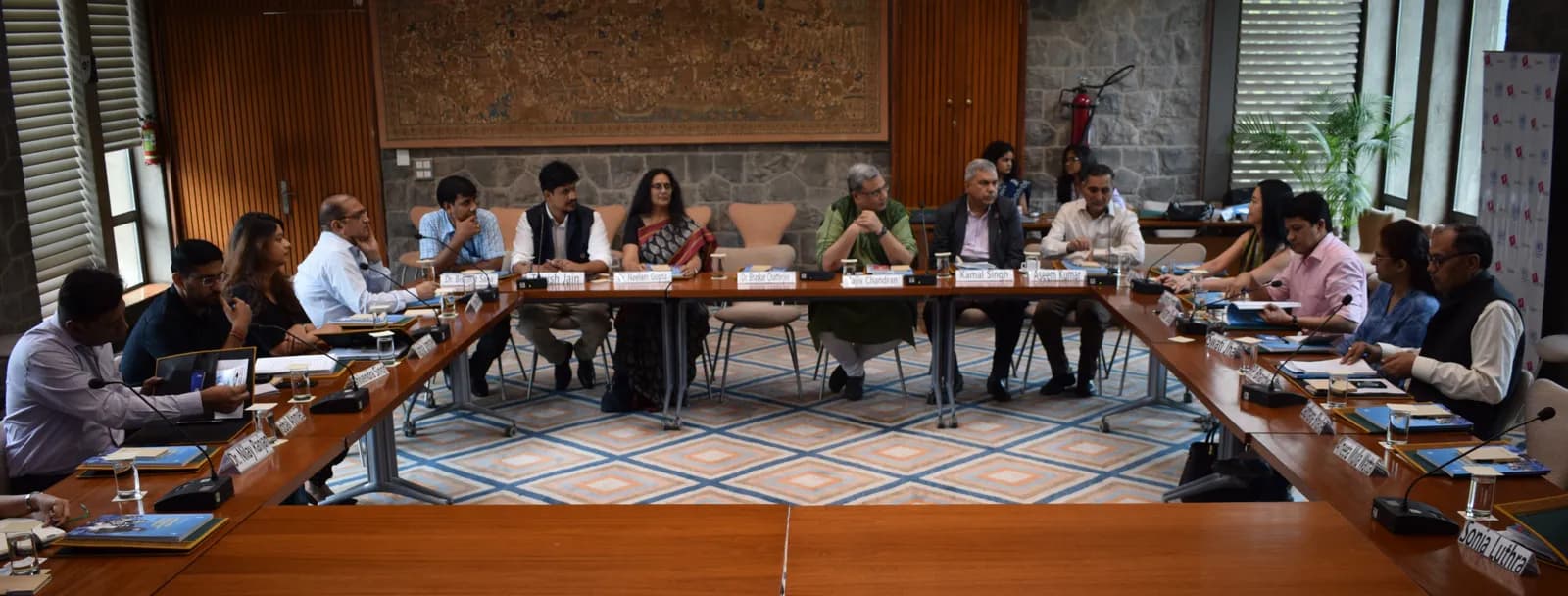
- 18
- leaders at one table
- 15
- organisations
- 3
- hours of debate
- 1
- roadmap to start small, then scale
The SDGs can't be met until classrooms are on board.
Education for Sustainable Development means giving every learner the knowledge, skills and values to build a fairer, more sustainable world. It is written into the Global Goals as SDG target 4.7 — and UNESCO calls it the key enabler of all 17.
But in 2019, sustainability was barely reaching Indian schools. The roundtable set out to change that: what should ESD look like here, who should lead it, and where should it start?
- 22,000CBSE-affiliated schools in India
- ≈1 in 5estimated to be aware of the SDGs
- 1–2 lakhof about 11 lakh CBSE teachers estimated to have been reached
Estimates shared by Dr. Biswajit Saha, CBSE, at the roundtable.
Everyone who shapes what a child learns
- UN Information Centre, New DelhiCo-host and co-chair
- AROH FoundationCo-host and partner; award-winning district work across all 17 SDGs
- BrainwizCo-host and partner
- UNESCO MGIEPGlobal ESD experience since the UN Decade of ESD
- CBSESDGs mapped into activity-based learning; SEWA projects
- NSDCCompetency-based skilling at the grassroots
- NHRCHuman rights education, gender and disability
- UN Global Compact Network IndiaSDG outreach to about 1,300 schools
- UN in IndiaPublic policy and the SDGs
- Delhi GovernmentThe Happiness Curriculum
- American India FoundationUN books translated into Odia and Gujarati
- India CSR NetworkCSR for education
- WAPCOSPractical, on-the-ground pilots
- ASN SchoolESD from kindergarten to Class 12
- Springdales SchoolAn international dialogue on peace
Proof that ESD builds leaders — and three ideas to scale it.
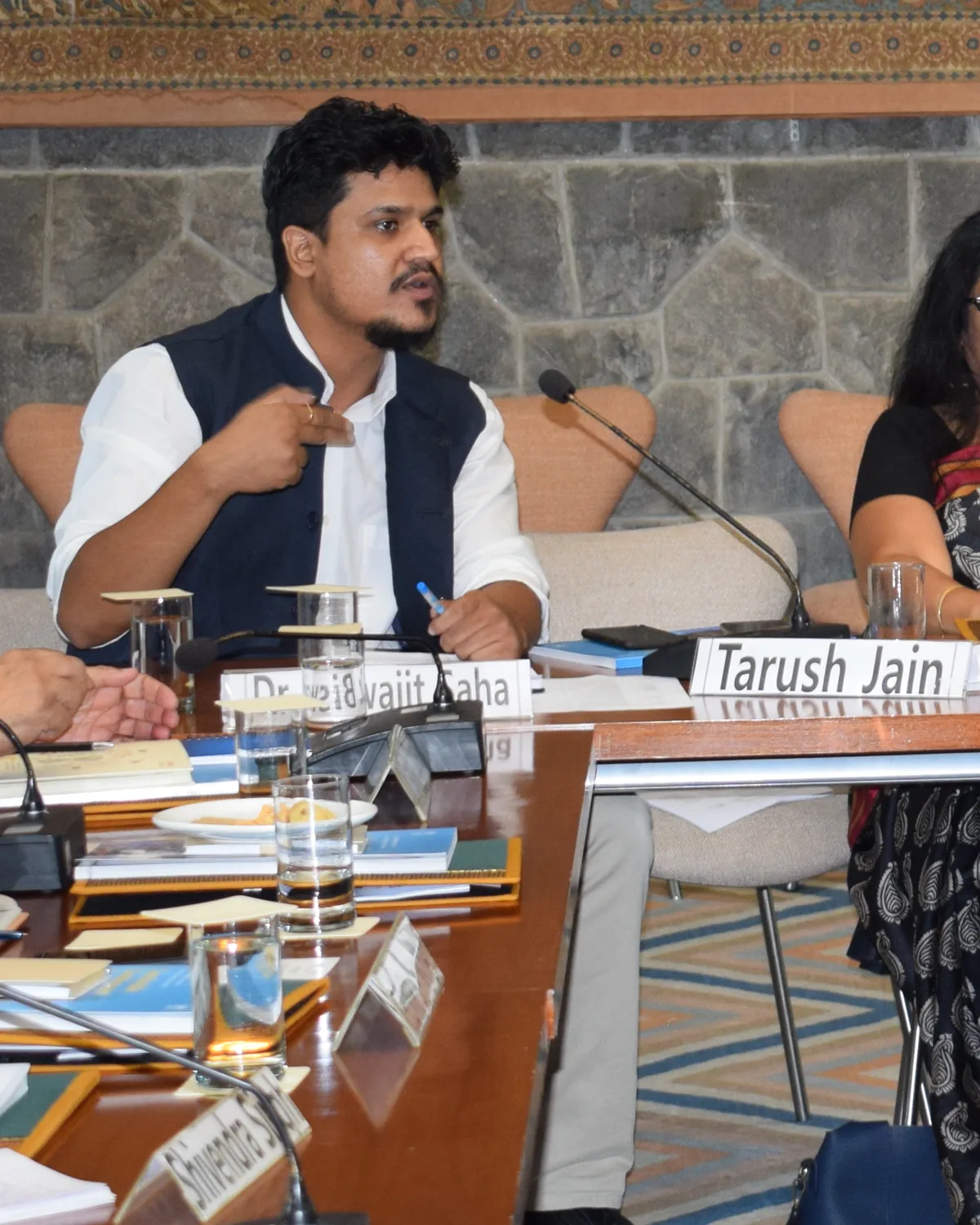
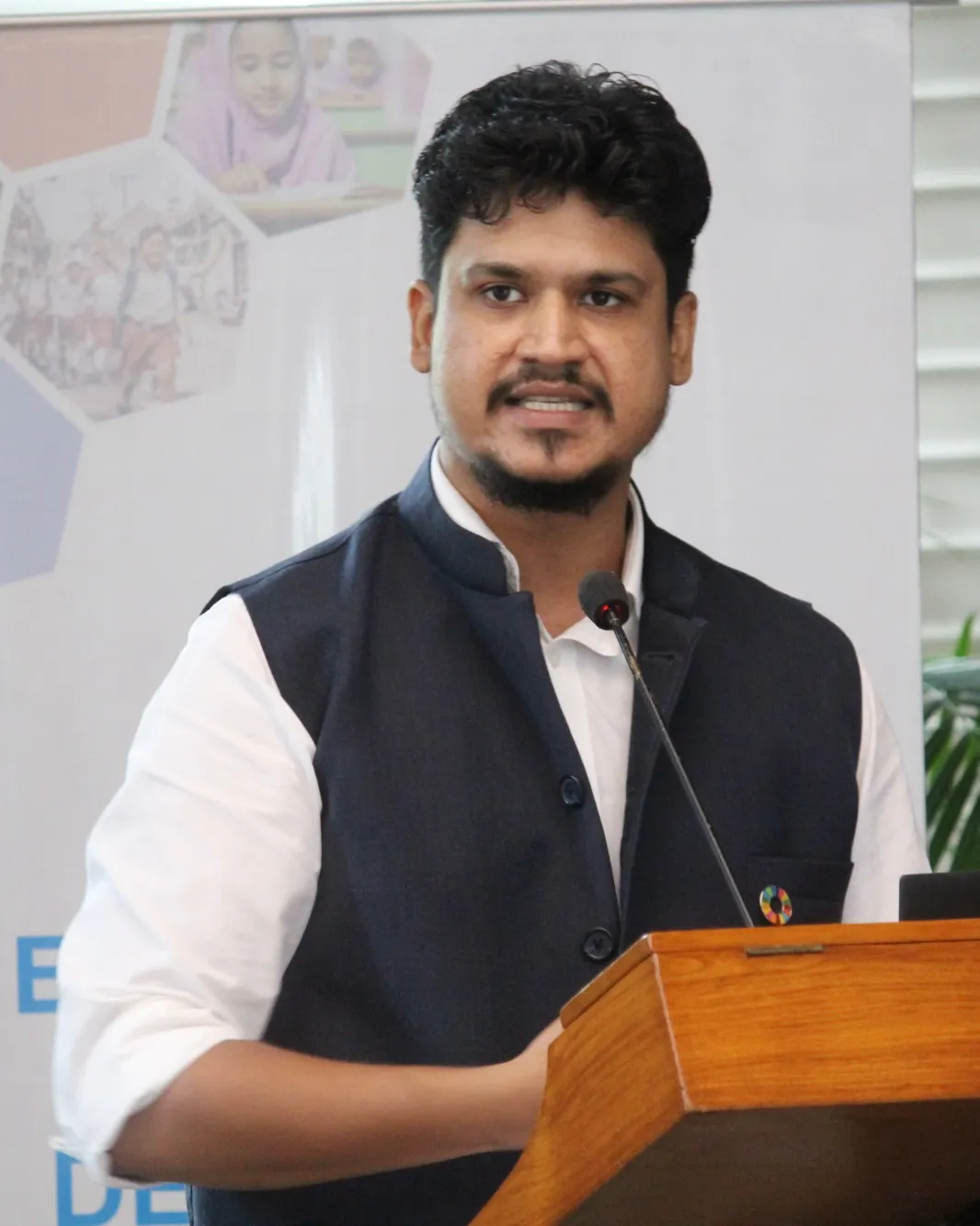
Tarush Jain, Founder of Brainwiz, presented the NCC Skill Development Program: 400 NCC cadets in Prayagraj, one 12-hour marathon, and a city's real problems to solve. ESD was the platform — to surface cadets' leadership, collaboration, empathy, research and communication, and then sharpen them on challenges their own community faced.
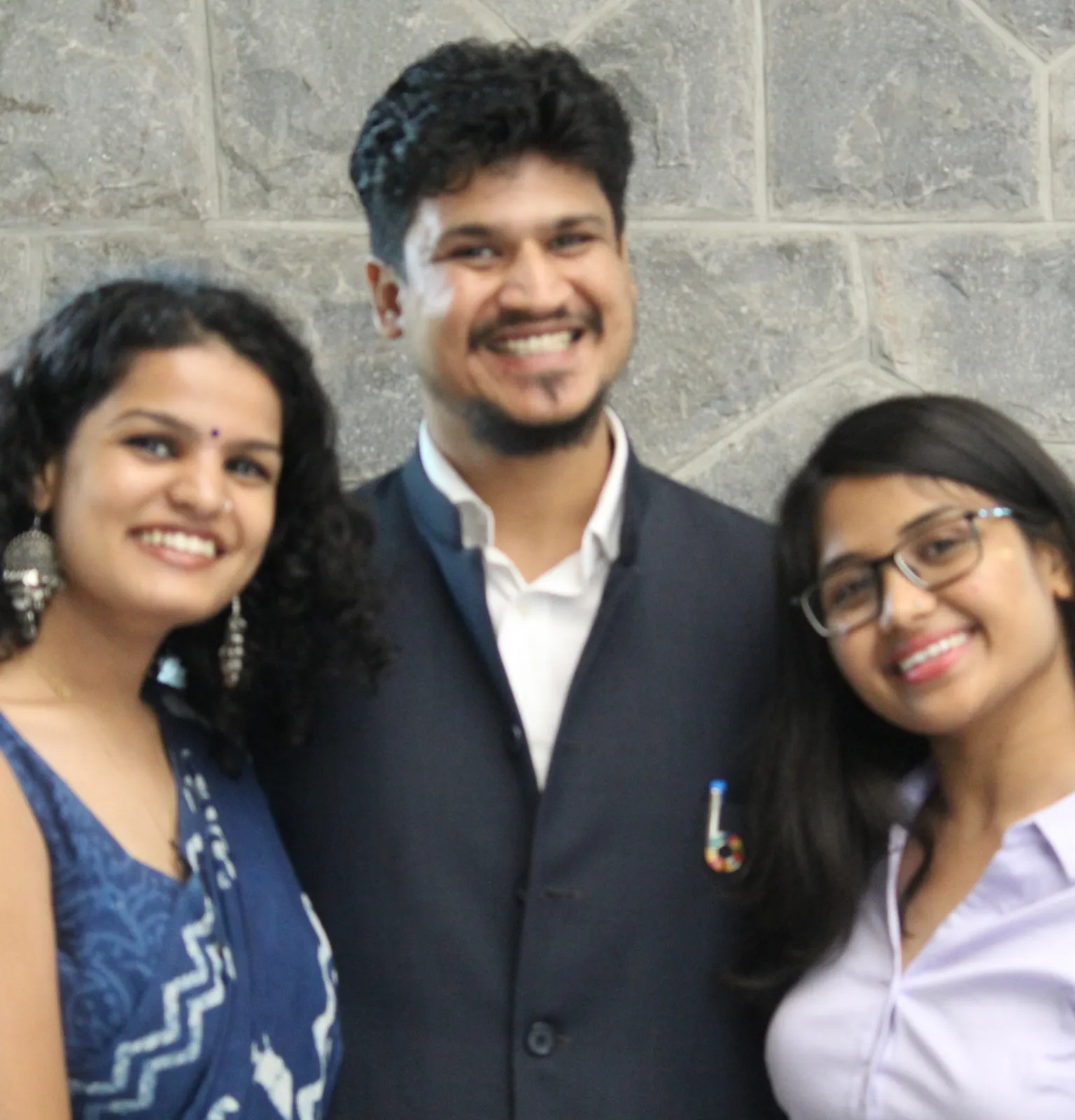
Research, minutes and interviews for the roundtable by the Brainwiz team: Prerna Vats and Nazneen Shekh.
- 01Go where the time isSchools can't easily make room for a new programme. Non-formal platforms like NCC already have the structure — use them.
- 02Prove it paysBodies like NSDC and Global Compact should study how ESD makes students more employable, so schools have a reason to invest.
- 03Make it self-sustainingIncentivise students, and parents follow. Once families see the value, ESD keeps itself going.
What the room said
A critical part of ESD is looking at a future set of leaders who are currently in schools all across the country, and seeing how their leadership can be leveraged toward the common good.
There is a huge lacuna in awareness among CBSE-affiliated institutions.
Even if the awareness exists, the intertwining needs to be worked out — how do the SDGs seep into common lives, and how does the school system support them?
We often refer to the SDGs as the declaration of interdependence for the planet… ESD is the way to unlock that at the most fundamental level.
These skills are now a vital part of any employment… If they are inculcated right from the beginning, at the school level, our students will be able to do better.
Parents come and tell me, ‘Ma'am, what have you taught in this school that my child is not letting me cross the red light?’
ESD should not be seen as something out of the curriculum… it has to be integral to whatever is being done in school.
NGOs are the ones who reach the grassroots… NGOs are the key to implementing ESD.
It is imperative that children realise it is as much their problem as it is of the rest of the planet.
Six ideas from the table
- 01Teachers firstReach teachers fast — children stay in school for fourteen years. CBSE backed an online ESD course for teachers.
- 02A new lens, not a new subjectESD isn't more syllabus; it's seeing the existing one through a sustainability lens.
- 03Beyond the classroomNon-formal and informal learning — media, games, NCC, communities — carry ESD into daily life.
- 04Leave no one behindRural and migrant children need ESD most, and have the least access to it.
- 05Skills that payLink ESD to employability and life skills, and students and parents will pull for it.
- 06Partnership is the methodGovernment, regulators, NGOs, industry and schools — no one can do it alone.
Start small. Then scale.
The roundtable closed with a clear ask: form a small action group, pick one practical pilot, prove it and multiply it. Brainwiz kept going.
At UN House
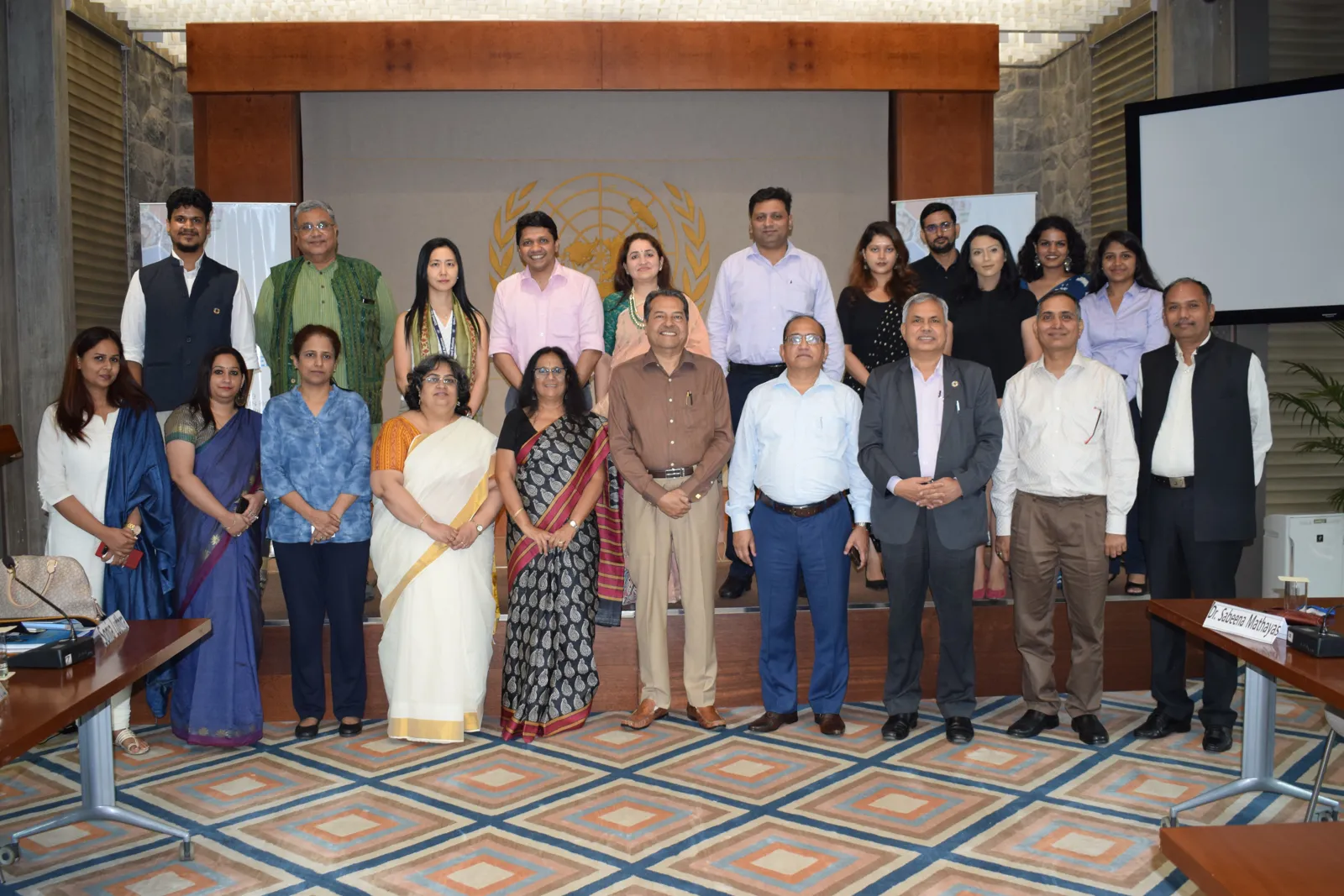
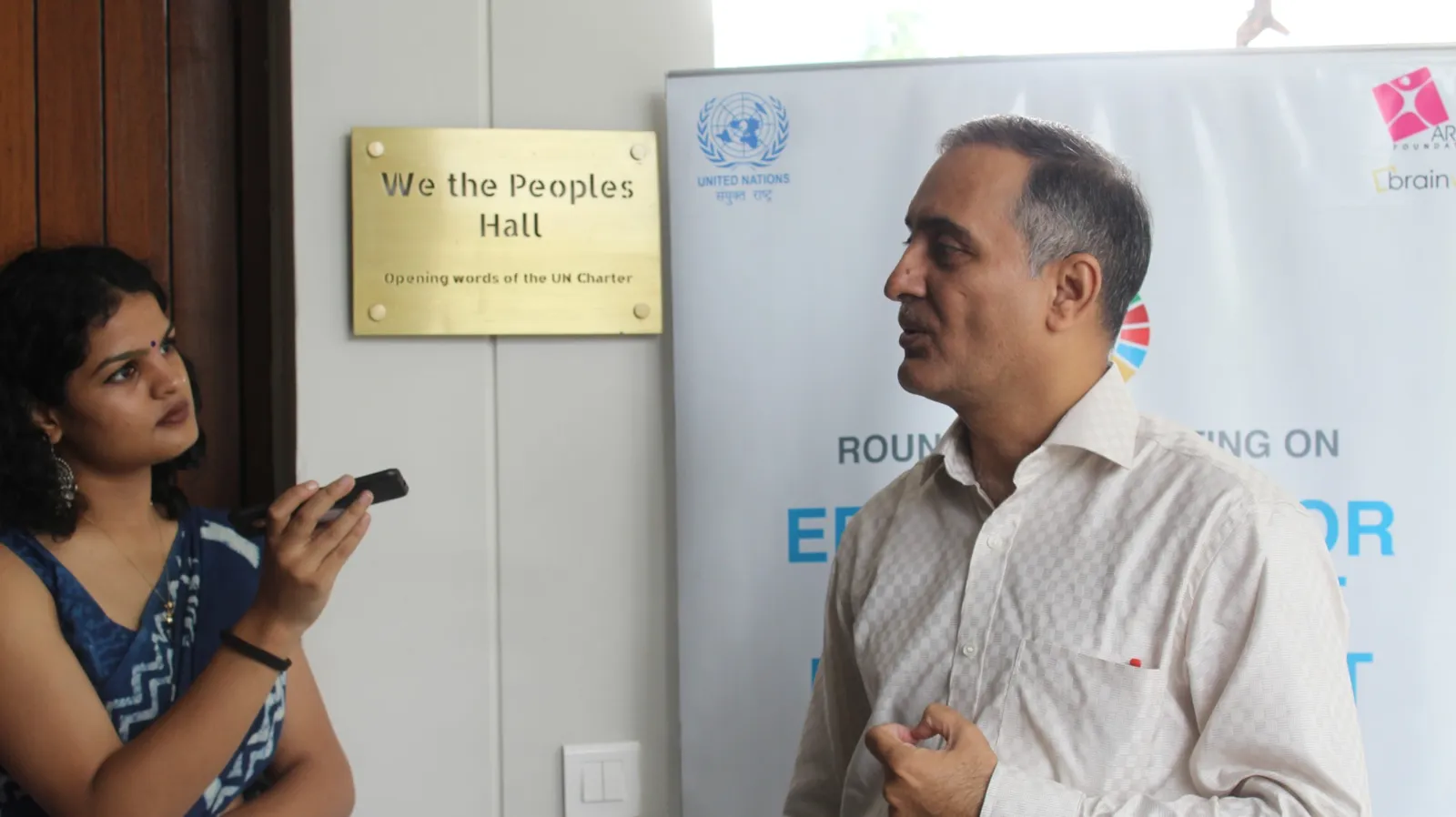
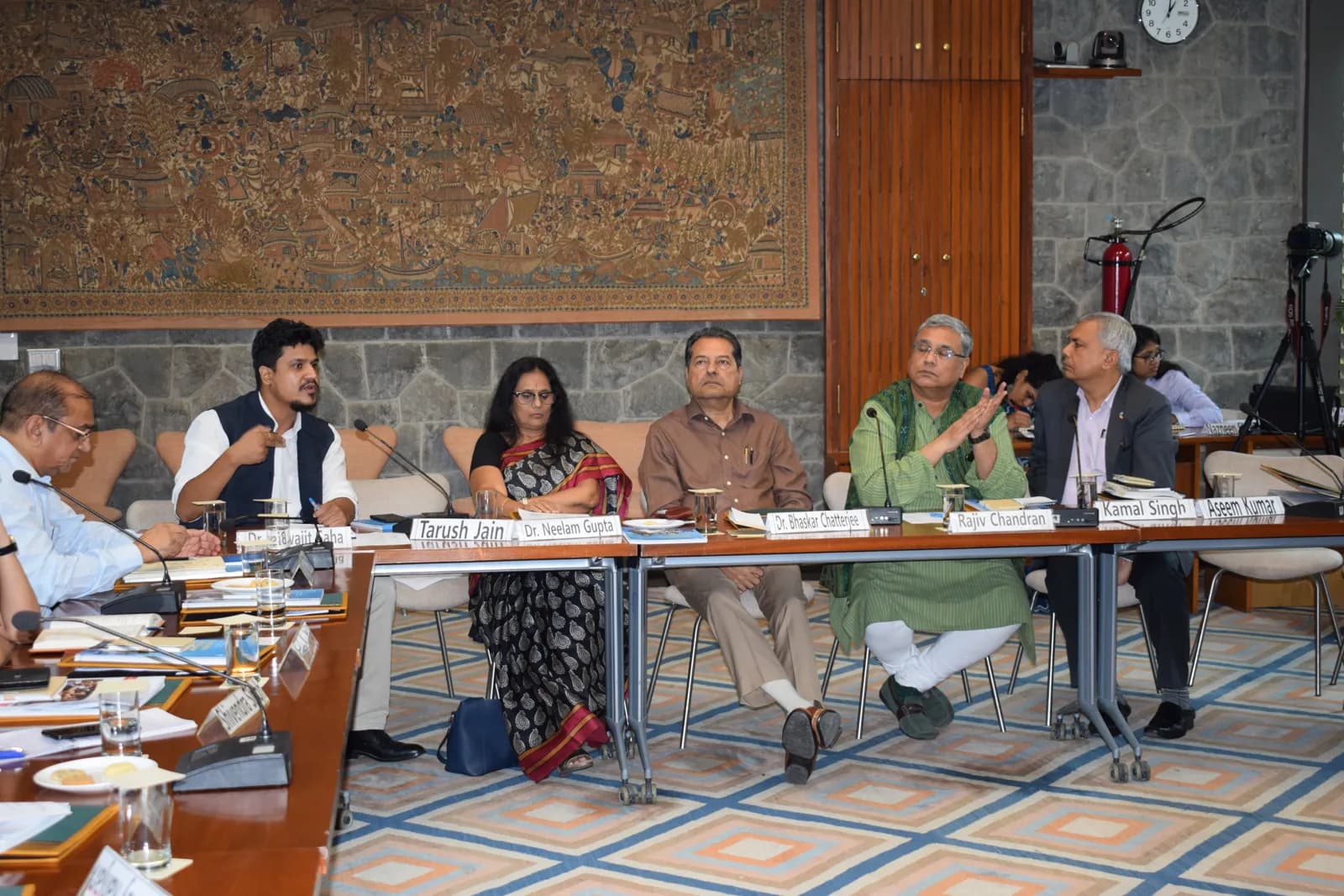
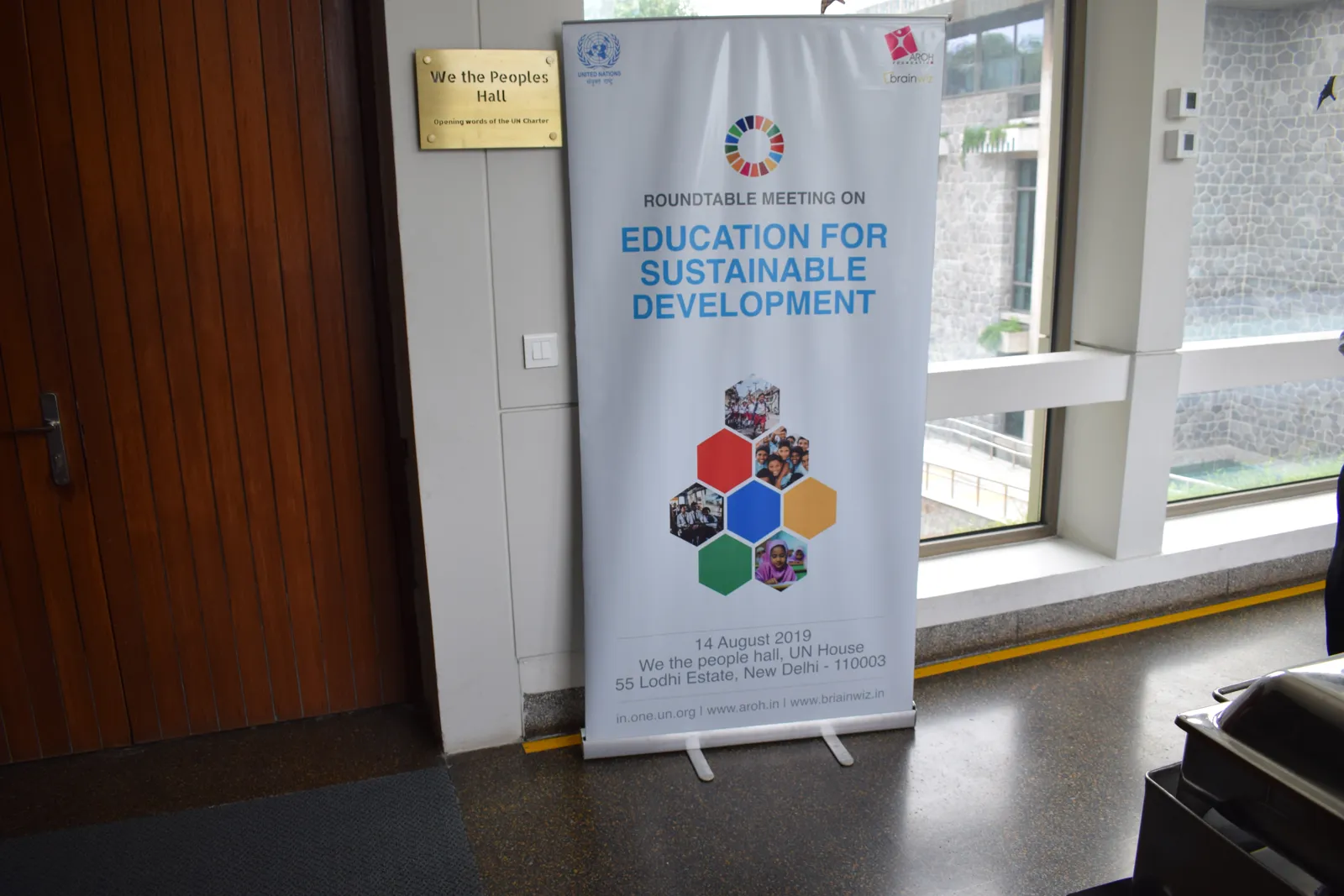
The question at that table hasn't changed: are our children ready for the world they'll inherit?
From the ESD Roundtable at UN House to Futures of Education consultations with UNESCO New Delhi and SDG training for teachers, Brainwiz and Tarush Jain have spent years championing 21st-century skills, social-emotional learning and education for sustainable development.
Our AI Assessment is the next step: helping parents see how their children think, question and learn alongside AI — and making kids truly future-ready.
Bring education for sustainable development to your school.
We run ESD and SDG programmes for students, and capacity-building for principals and teachers.