
More than half of students don't find half the SDGs important.
A one-of-its-kind Brainwiz survey of 1,000+ students on how India's youth understand sustainability and the Sustainable Development Goals — and how that differs between tier 1 and tier 2/3 cities.
- 1,000+
- students surveyed
- 4
- institutions
- 43.2%
- don't know about the SDGs at all
- 83.8%
- believe youth can help India grow sustainably
17 goals for a sustainable, peaceful and equitable life — for everyone.
On 25 September 2015, the UN General Assembly adopted the 2030 Agenda for Sustainable Development — a global framework to redirect humanity towards a sustainable path. It followed the Rio+20 conference in June 2012 and a three-year process involving UN Member States, national surveys engaging millions of people and thousands of actors worldwide.
At its core are 17 Sustainable Development Goals. They set environmental limits for the use of natural resources, recognise that poverty alleviation must go hand in hand with economic development, and address social needs — education, health, social protection and jobs — while tackling climate change.
They also address systemic barriers to sustainable development: inequality, unsustainable consumption, weak institutional capacity and environmental degradation.
A key feature of the 2030 Agenda is its universality. It addresses every country, from the Global South to the Global North — so with respect to the SDGs, every country is “developing” and needs to take urgent action.
To reach the goals, everyone needs to do their part: governments, the private sector, civil society — and every human being.
Finding the gaps in how young India understands sustainability.
Brainwiz conducted the survey to:
- Draw attention to gaps in awareness of sustainability and the SDGs among India's youth
- Understand how students in tier 1 cities and tier 2/3 cities see things differently
- Highlight differences in opinion between male and female respondents
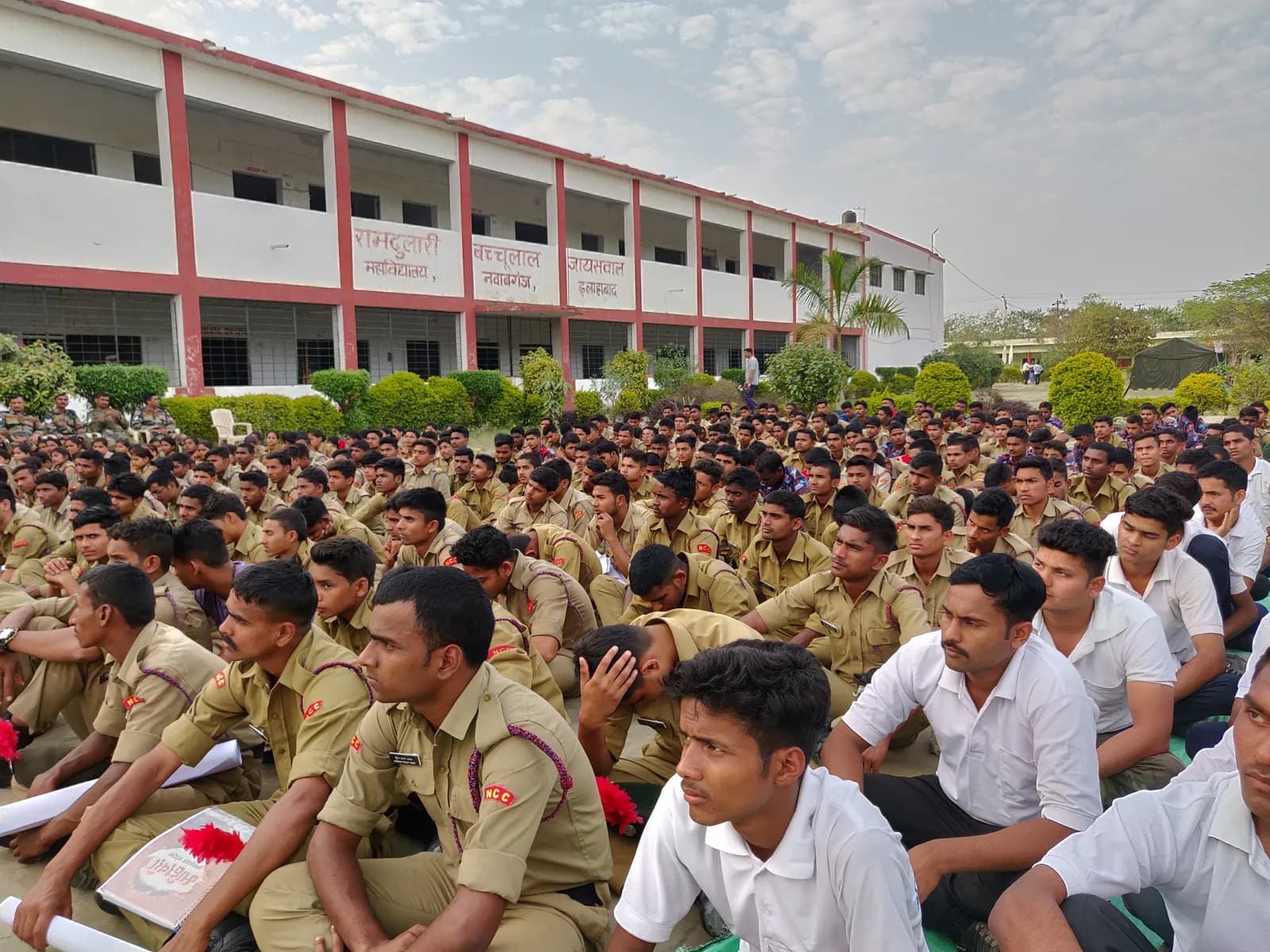
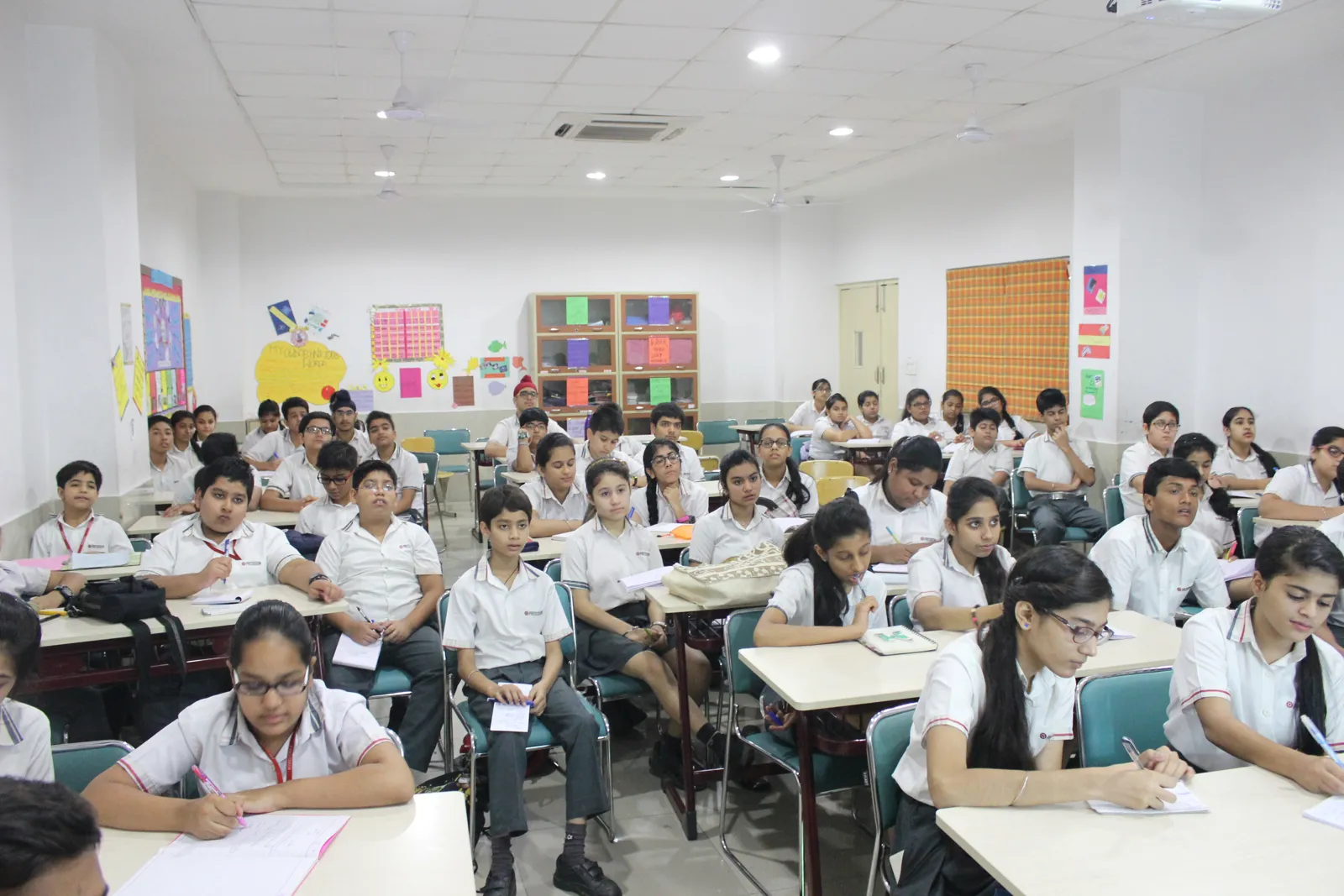
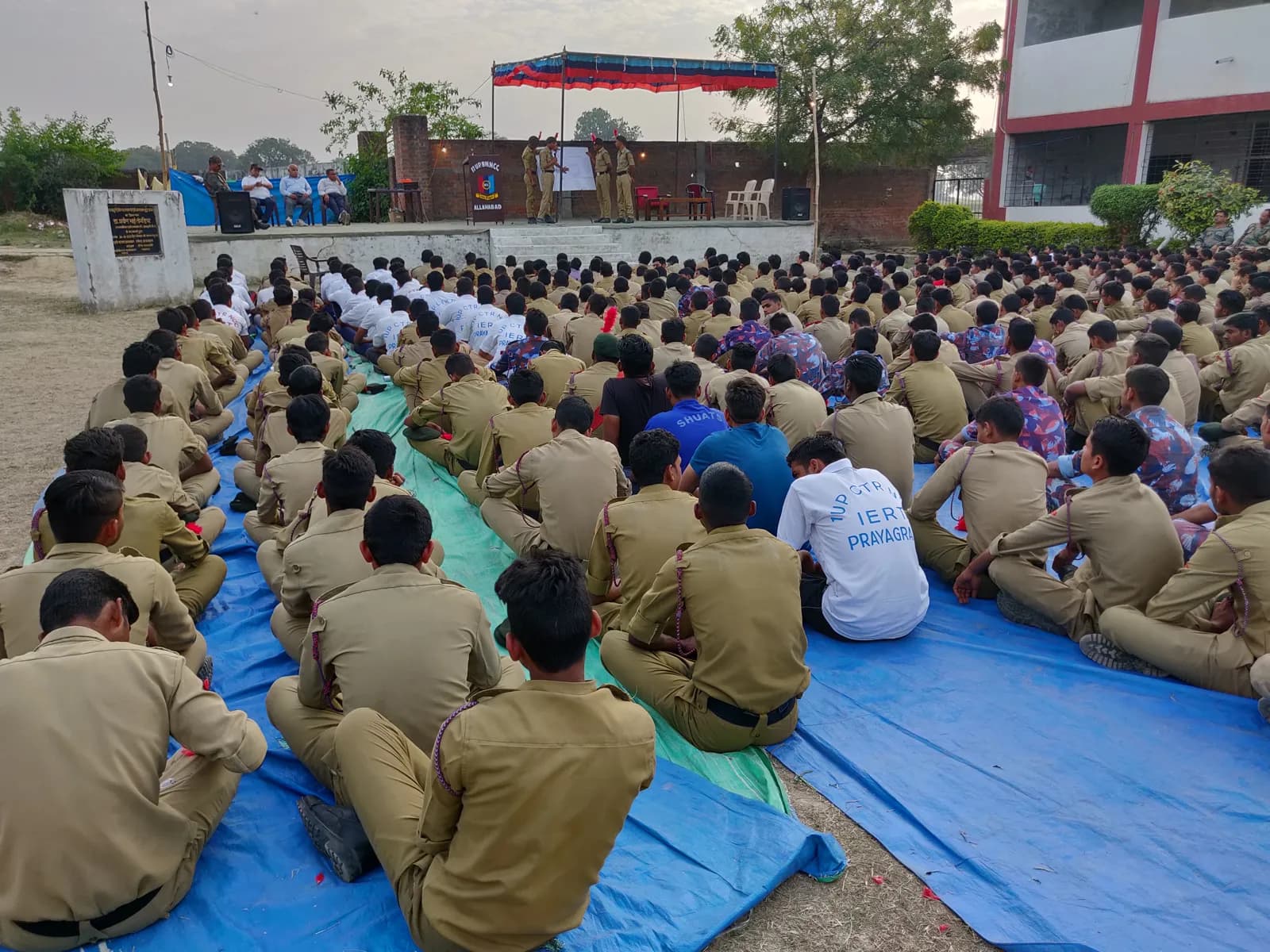
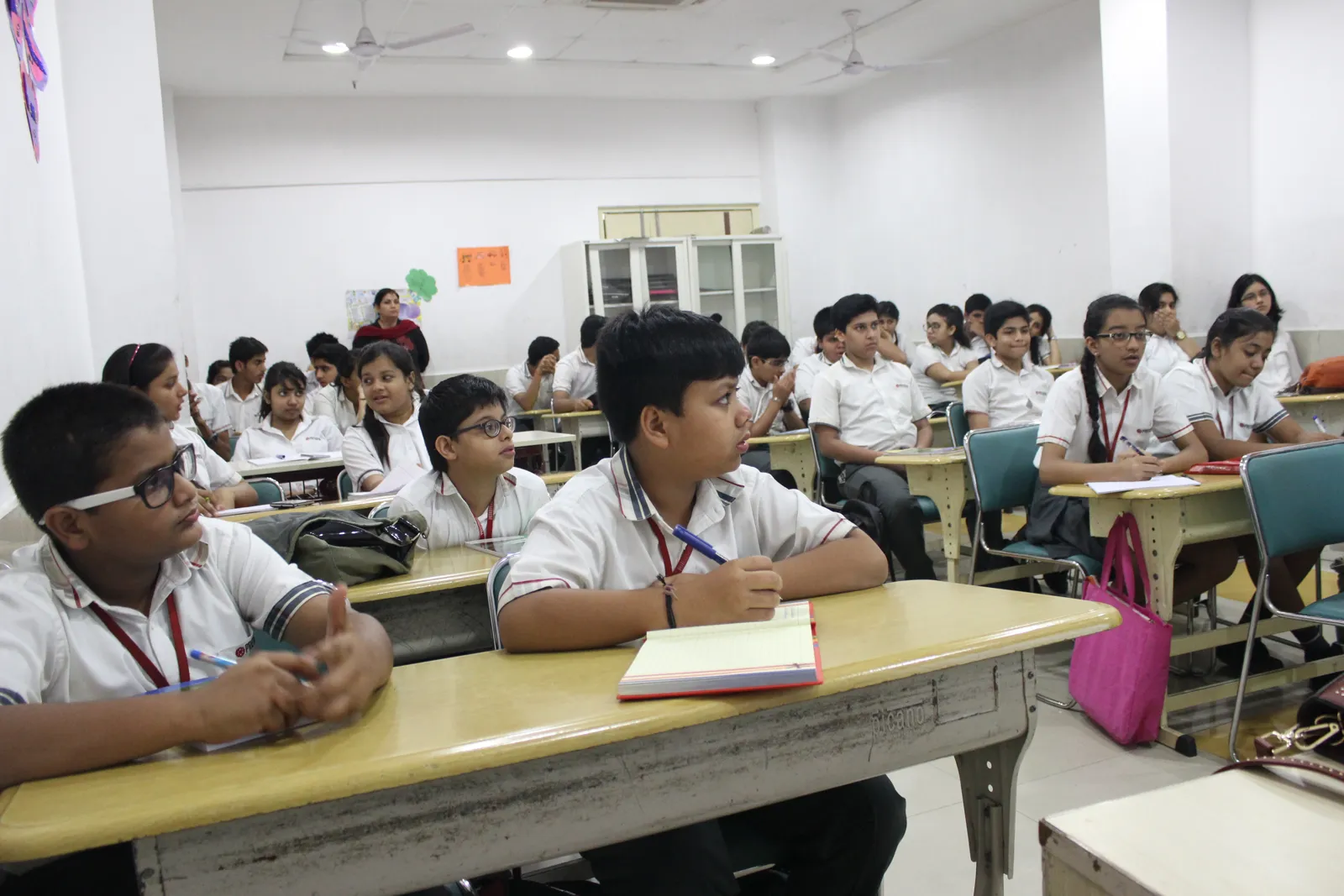
1,000+ students from
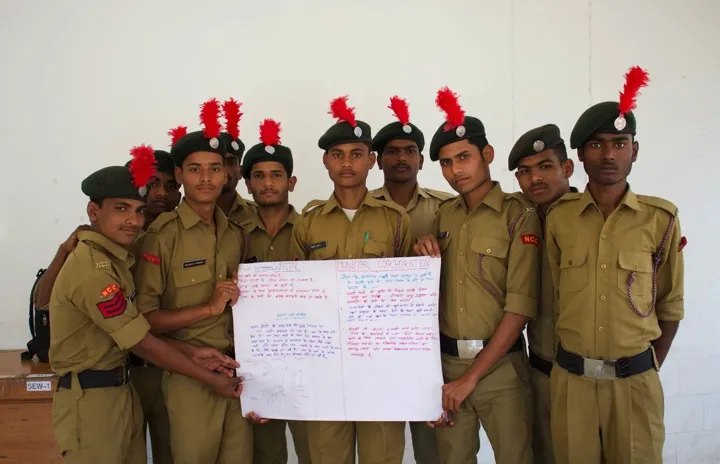
- National Cadet Corps, Allahabad Group
- Tagore International School, Vasant Vihar, New Delhi
- GD Goenka Public School, Bahadurgarh, Haryana
- Manav Sthali School, Deoria, UP
Where a child grows up changes how they see the future.
Want development that meets today's needs without compromising future generations
Find an inclusive, sustainable and resilient future important
Seven things the survey found
43.2%
of respondents say they don't know about the SDGs at all — and more than 55% don't know who the SDGs are designed for. The numbers are worse in tier 2/3 cities than in the tier 1 city.
74.85% vs 37.2%
In the tier 1 city, 74.85% feel society should develop in a way that meets the needs of the present without compromising future generations. In tier 2/3 cities, only 37.2% feel the same.
~90% vs 50%
Approximately 90% of tier 1 respondents realise the importance of an inclusive, sustainable and resilient future — compared with only 50% in tier 2/3 cities.
20%+
of students in tier 2/3 cities believe it is the government's job alone to ensure the sustainable development of a country.
50%+
of students in tier 2/3 cities are either against reducing greenhouse emissions and building climate resilience, or have no opinion on it — while most students in the tier 1 city are in favour.
83.8%
of respondents believe that, as the youth of this country, they can play an important role in helping India grow sustainably.
~50%
of all respondents do not find half of the SDGs important.
This highlights some major gaps in the understanding of sustainability concepts among the youth of India, and efforts at a major scale are required to address these gaps. Brainwiz has been working to promote education for sustainable development as the new paradigm that can answer these questions. Besides providing the necessary knowledge, it provides the right set of skills and values that enable students to become successful global citizens in the 21st century.
Tarush Jain
Founder, Brainwiz
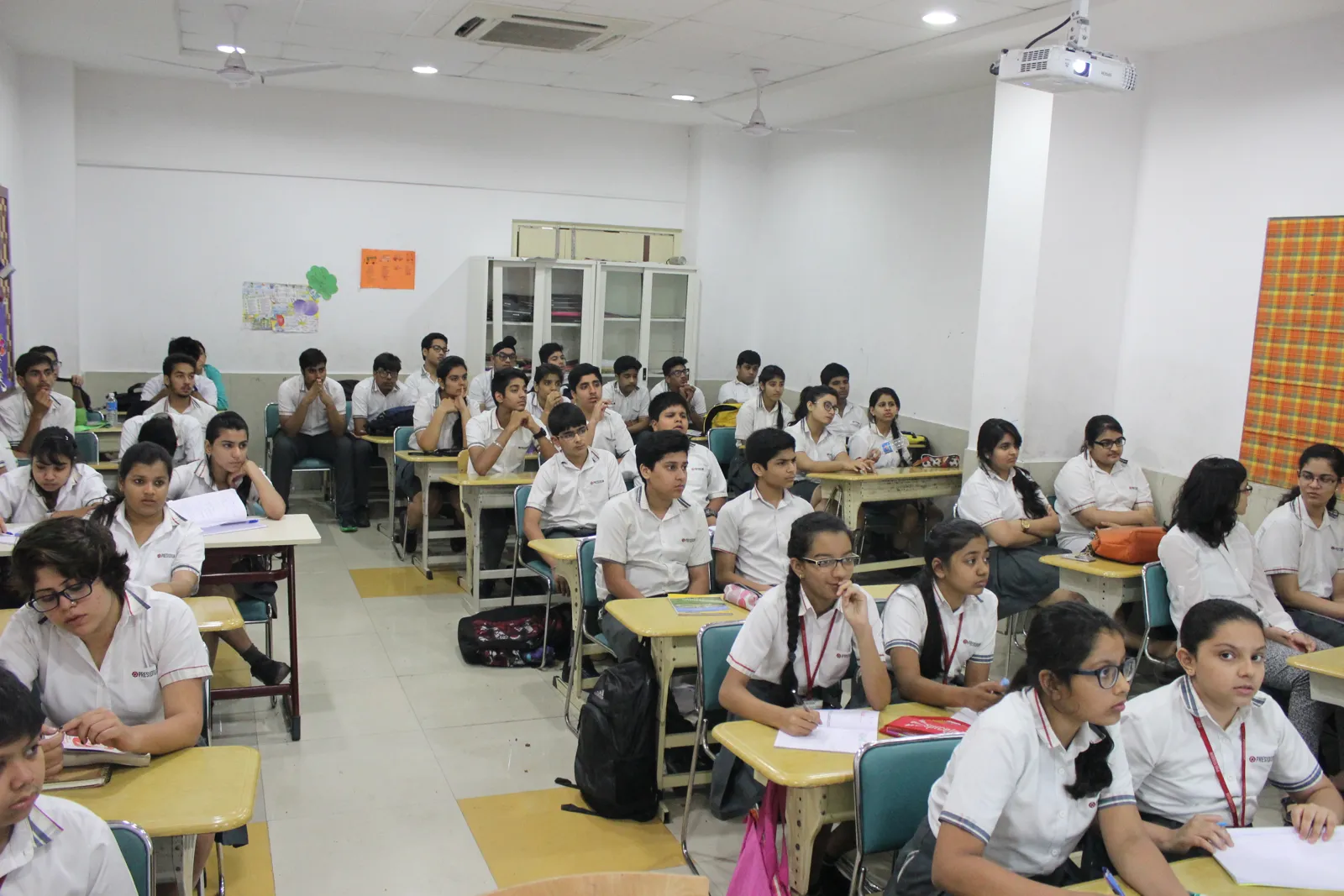
With the students who took part
Bring education for sustainable development to your school.
We run SDG programmes for students and capacity-building for teachers.
Related: UN House ESD Roundtable