Reimagining education for 2050.
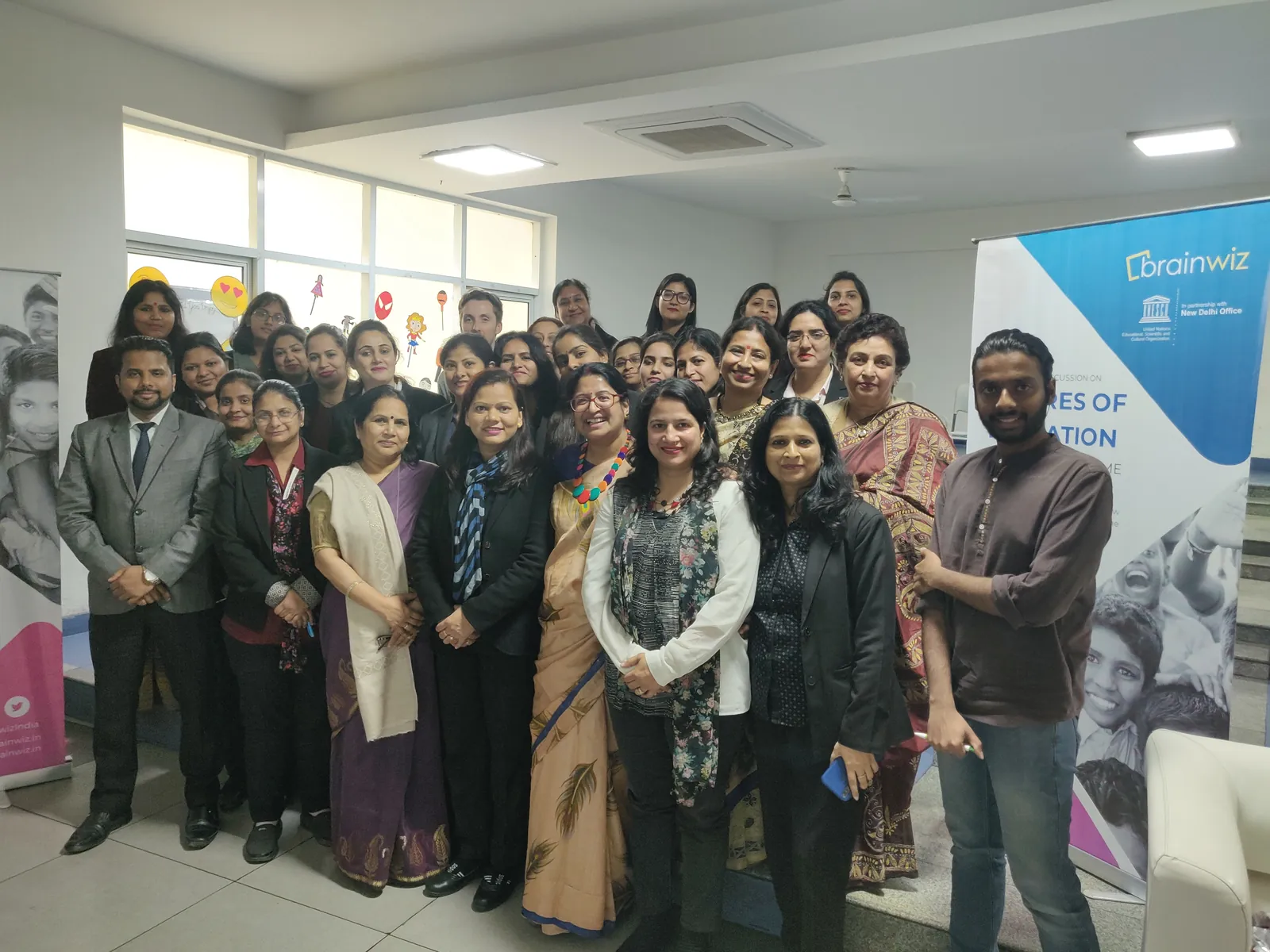
In 2020, Brainwiz partnered with UNESCO New Delhi to bring parents, teachers, rural youth, the deaf community and education leaders into UNESCO's global conversation on the Futures of Education.
Consultations led by Tarush Jain, Founder, Brainwiz
- 300+
- voices heard
- 6
- consultations
- 4
- months · Feb–May 2020
- 3
- languages, incl. Indian Sign Language
A global question: what should learning look like in 2050?
UNESCO's Futures of Education: Learning to Become initiative set out to rethink education for a world of growing complexity and uncertainty. An independent International Commission gathered ideas from consultations around the world to shape its global report, published in 2021.
Brainwiz partnered with the UNESCO New Delhi Office to run these consultations in India and South Asia — and submitted a detailed report from every session to feed into the Commission's work.
Three questions, asked in every room
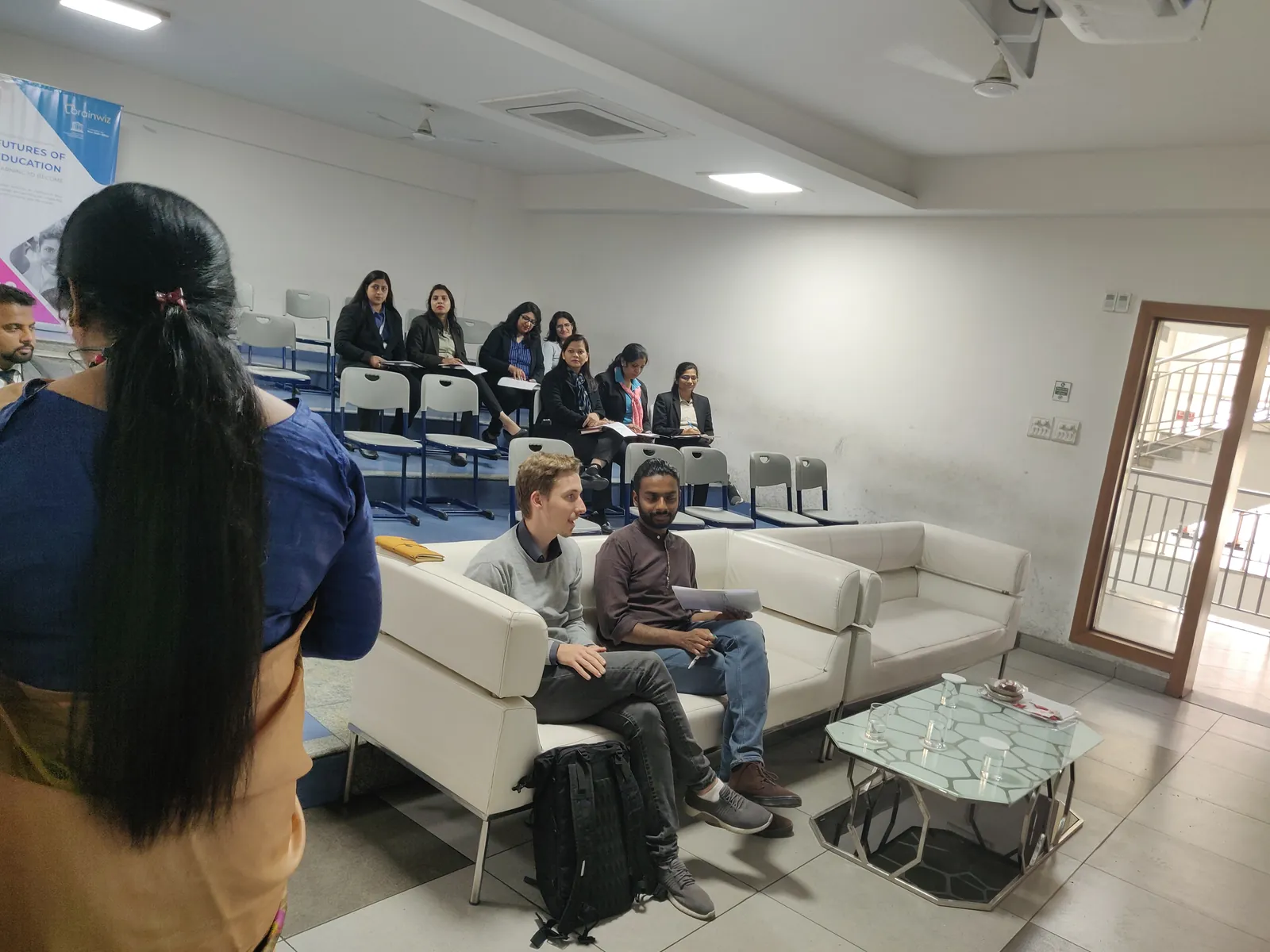
Every room, one facilitator.
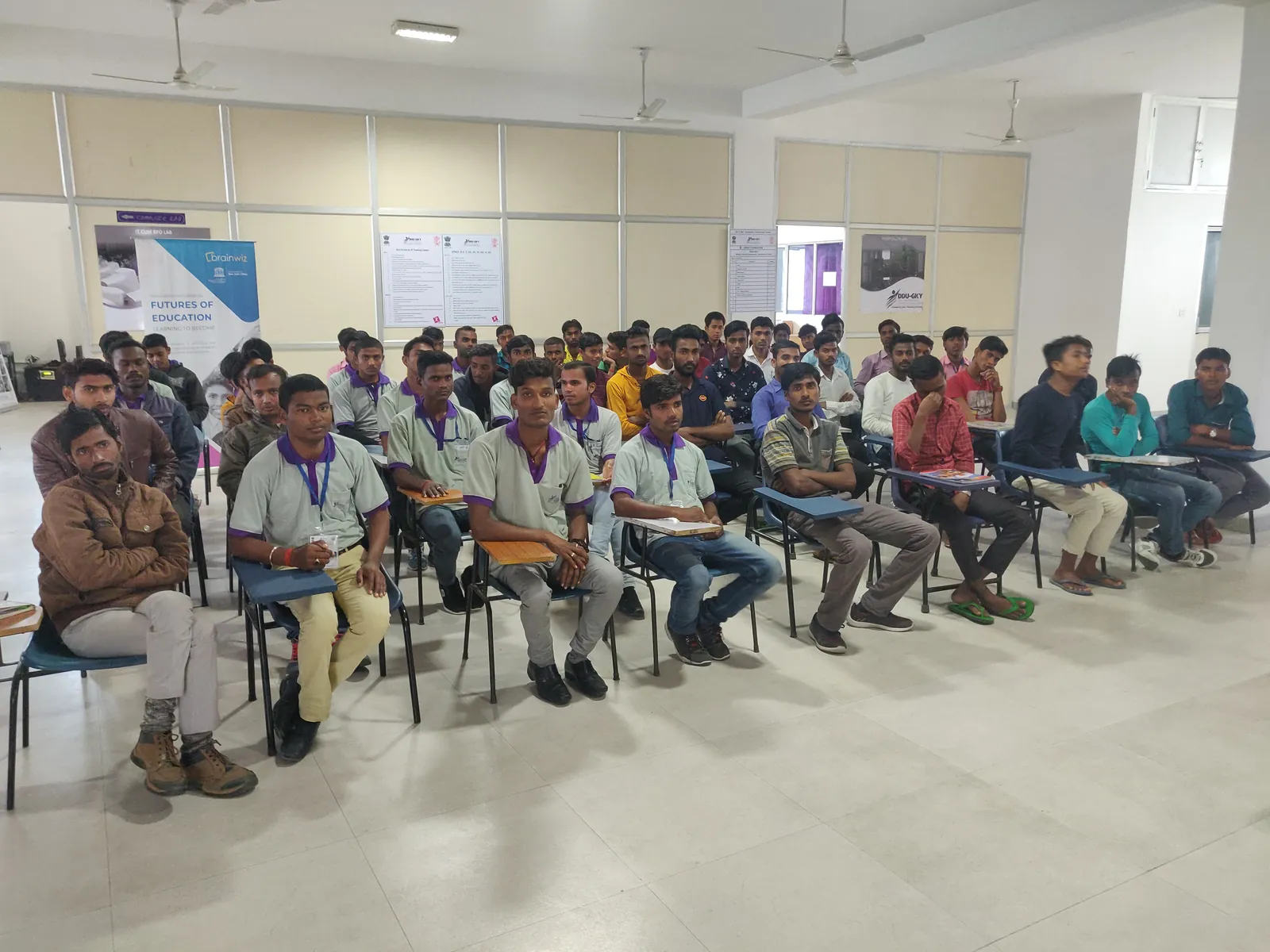
Tarush Jain, Founder of Brainwiz, designed and led each consultation — adapting the format for school parents, teachers, first-generation learners from rural Bihar, and a deaf community working through sign-language interpreters.
When COVID-19 closed schools, he took the conversation online, and went on to moderate a South Asia webinar alongside the Director of UNESCO New Delhi, Sri Lanka's National Commission for UNESCO and senior education leaders from across the region.
From classrooms to sign-language circles
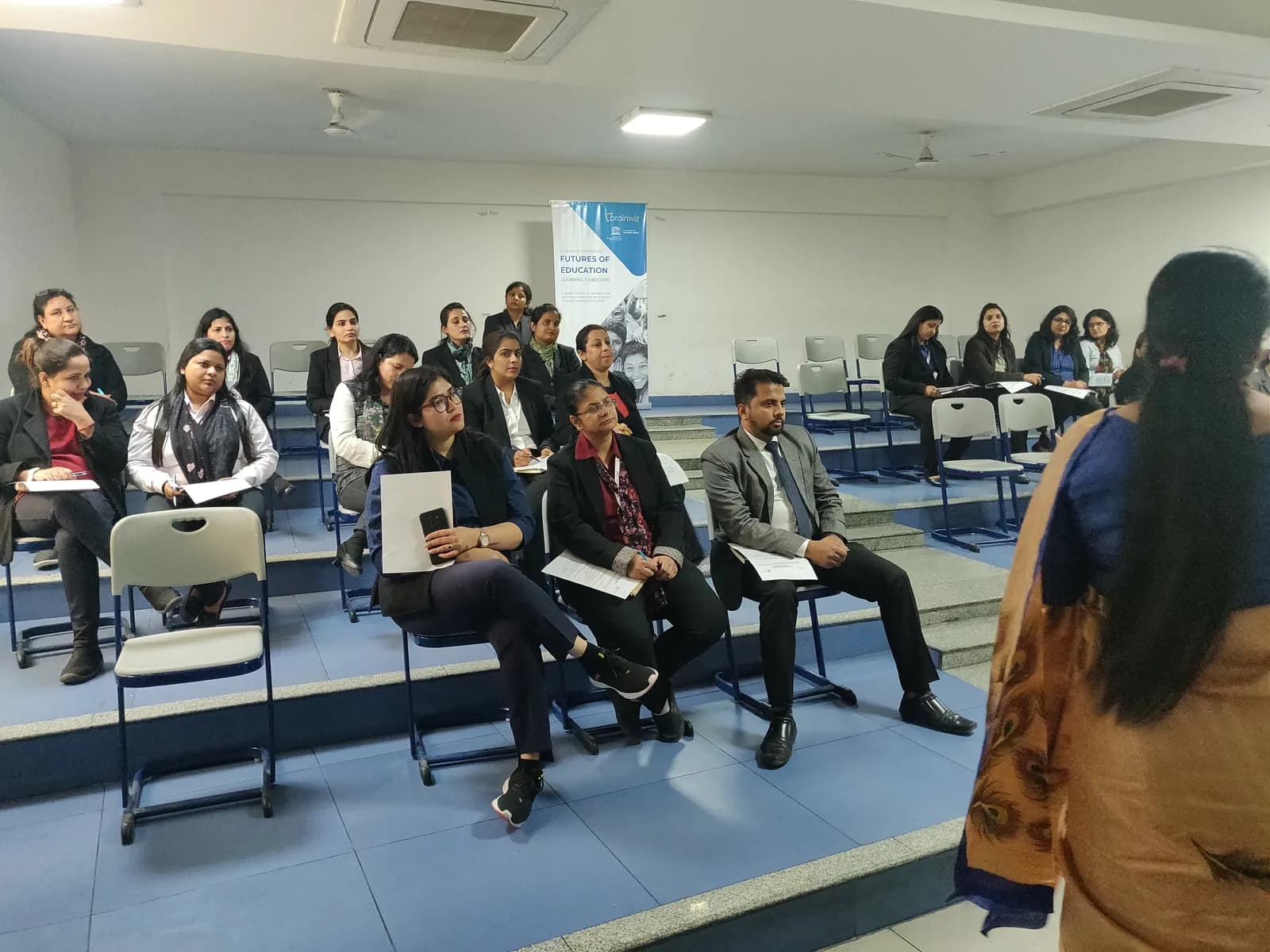
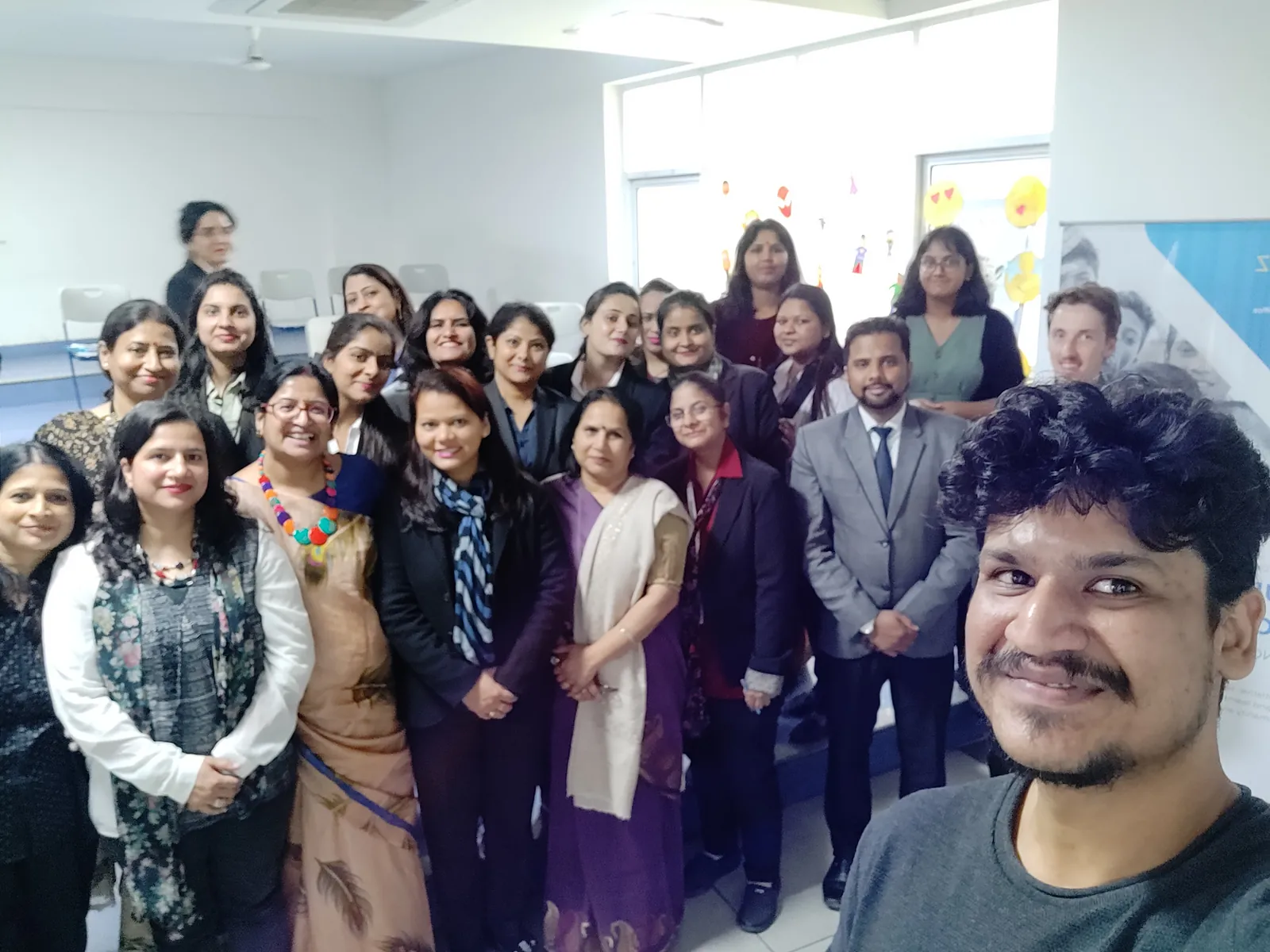
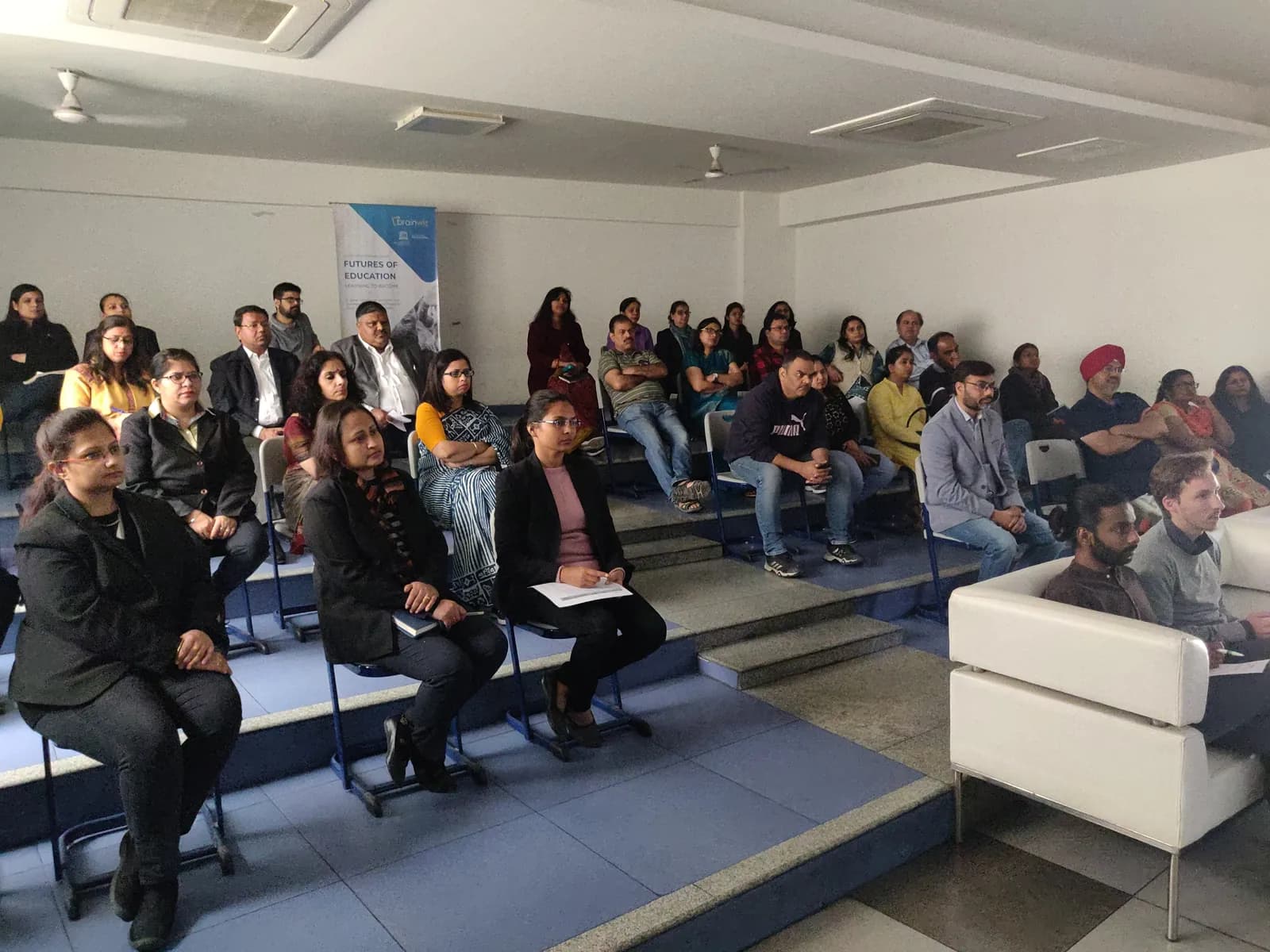
Gaur's International School, Greater Noida
- Education should shape good human beings, not just good employees.
- Teach children that failure is part of learning — and stop comparing them.
- Let students specialise in what they love and have an aptitude for.
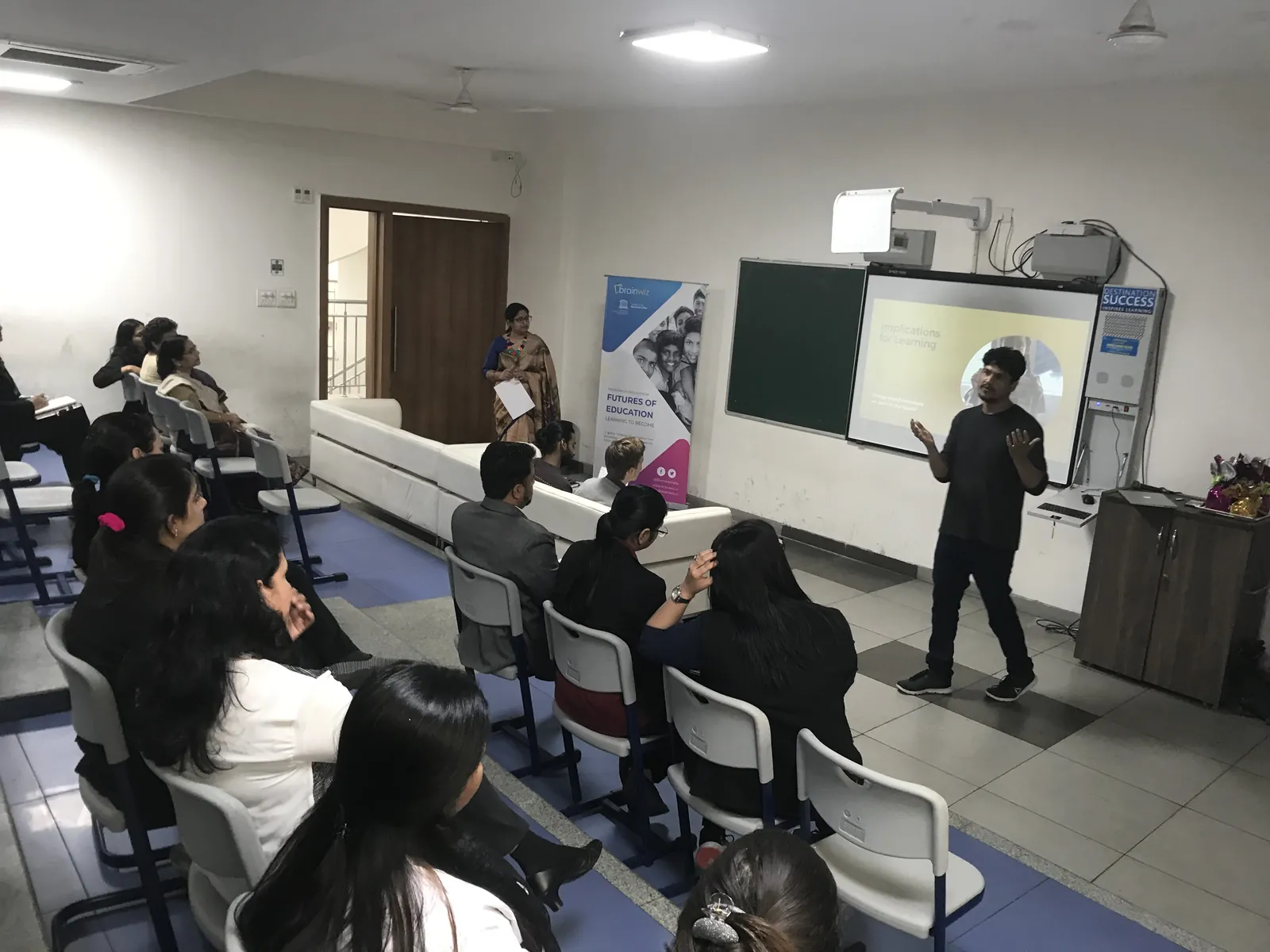
Gaur's International School, Greater Noida
- Critical thinking is fading — classrooms must bring it back.
- Rebalance assessment: less theory weightage, more real practice.
- Clubs, internships and dignity of labour build the whole child.
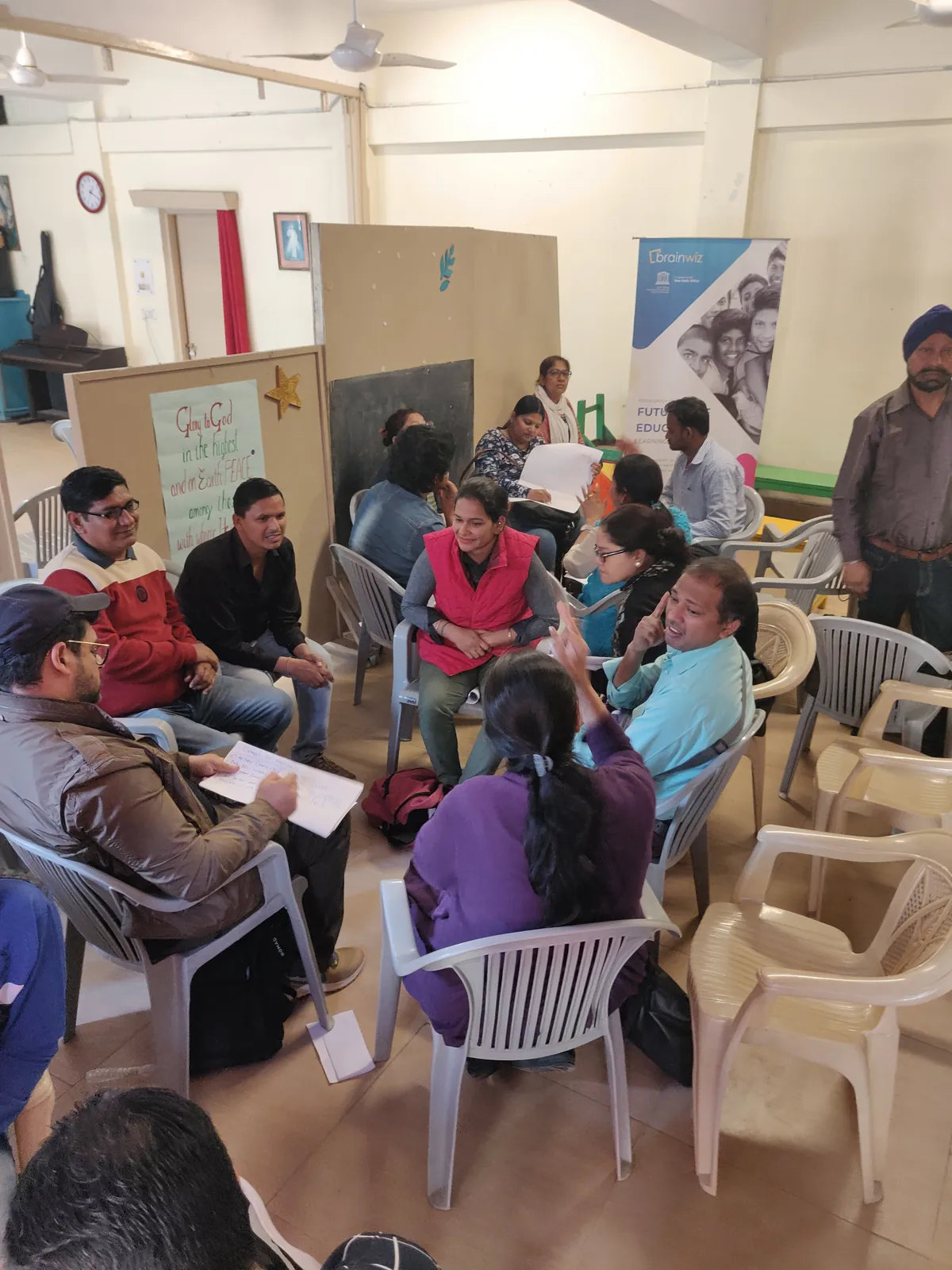
Free Church, New Delhi
- Every deaf child deserves early access to sign language as a first language.
- Deaf teachers belong in mainstream schools; interpreters in every class.
- Indian Sign Language should be taught as a subject in schools and colleges.
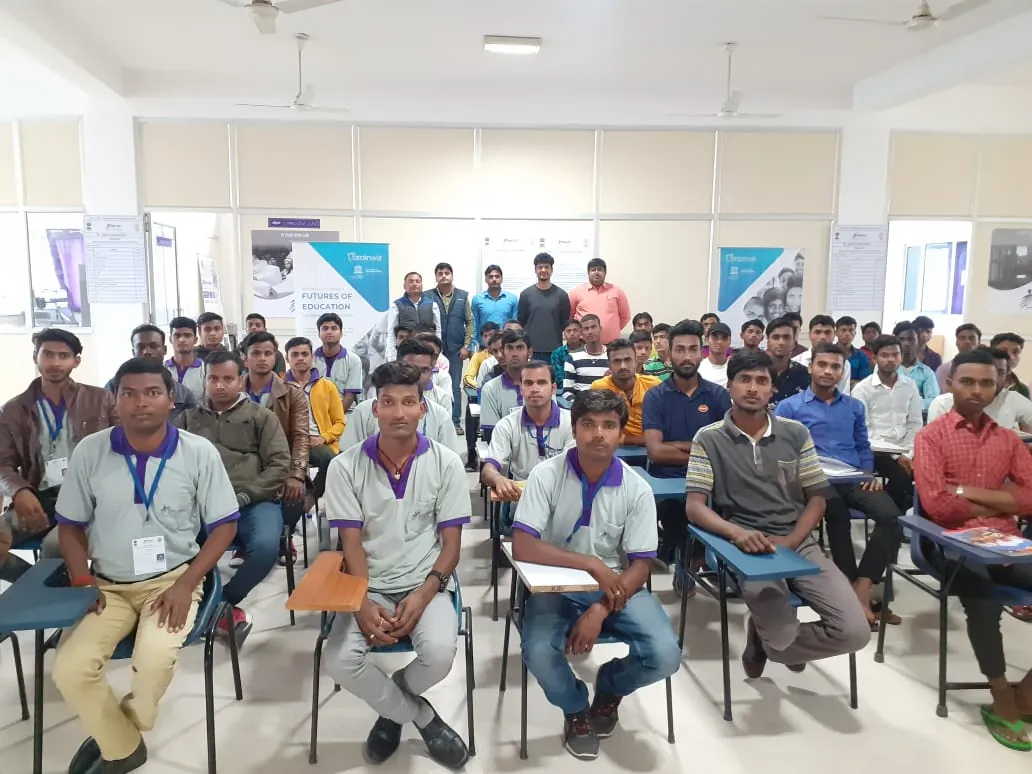
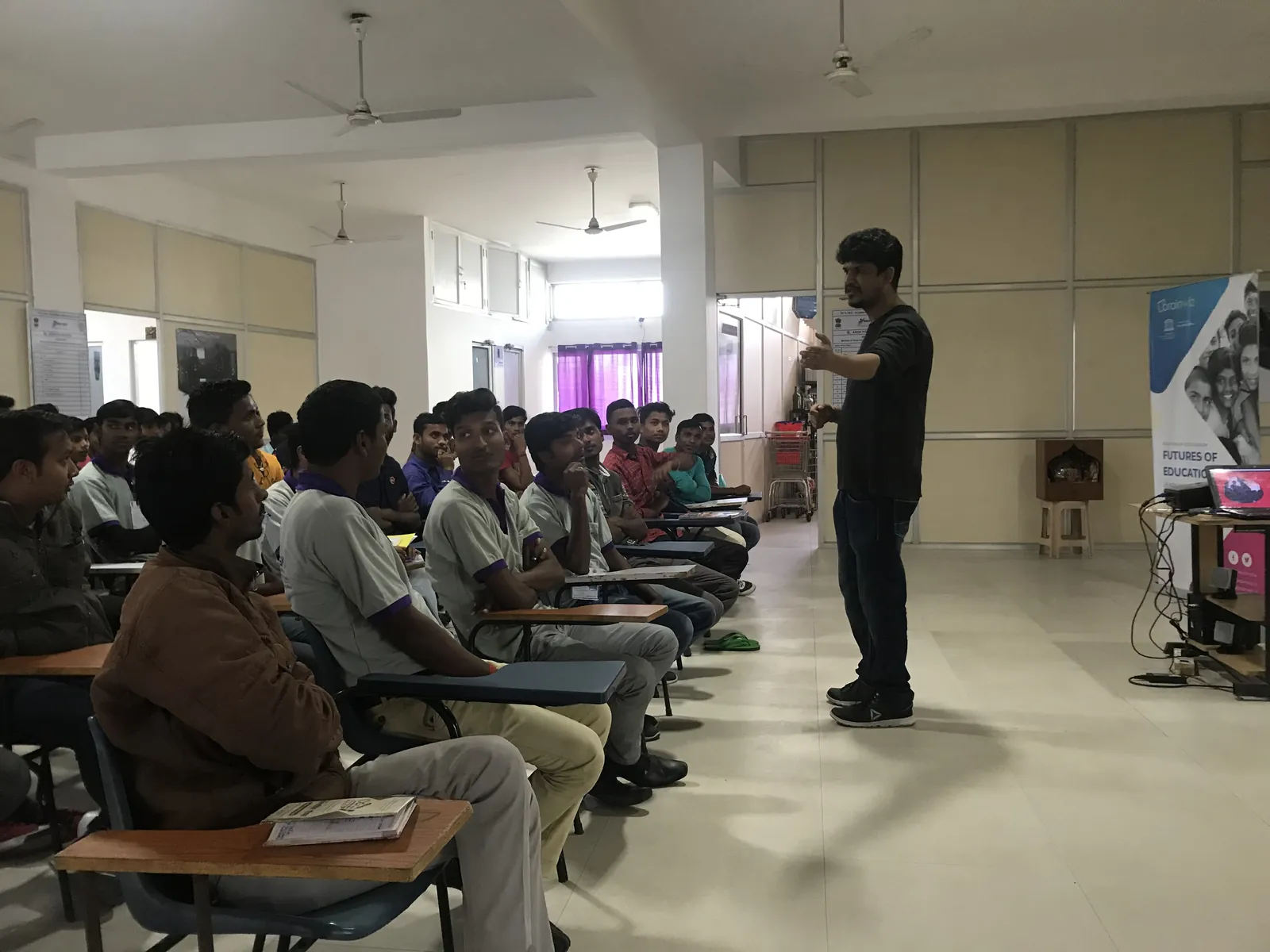
AROH Foundation skills centre, Greater Noida
- Close the gap between government and private schools.
- Learning should follow each student's interest and aptitude.
- Teach sustainable use of resources from an early age.
Online, during the national lockdown
- As technology grows, the teacher's role becomes more important, not less.
- Social-emotional learning must sit alongside academics.
- Don't let the digital divide leave first-generation learners behind.
Online, with UNESCO New Delhi and Sri Lanka's National Commission for UNESCO
- Moderated by Tarush Jain, with an opening address by the Director of UNESCO New Delhi.
- Panel: policy and education leaders from Sri Lanka and Bangladesh.
- Focus: knowledge economies, the skills gap and education after COVID-19.
Making sure the future includes everyone.
For the deaf community's consultation, Brainwiz brought in two sign-language interpreters and broke the session into small circles so every participant could be heard. Their message was clear: inclusion starts with language. The group also asked UNESCO for a simpler, visual version of its online survey so more deaf people could take part — a request Brainwiz relayed in its report.
What came out of it
300+
voices, one global conversation
Parents, teachers, rural youth, the deaf community and education leaders — heard and on record.
6
reports submitted to UNESCO
Every consultation documented and fed into the International Commission's work on its global report.
1st
online Futures of Education discussion with UNESCO New Delhi
Launched in the first weeks of the COVID-19 lockdown, while 1.5 billion learners were out of school.
South Asia
taken regional
A webinar with Sri Lanka's National Commission for UNESCO brought the conversation beyond India.
4.5/5
rated by webinar attendees
And 9 in 10 said they wanted to attend more discussions like it.
ISL
a voice for the deaf community
Indian Sign Language consultations — and a request for accessible surveys — carried to UNESCO.
Themes from every room
- 01Human skills firstEmpathy, emotional intelligence and social-emotional learning as core, not extra.
- 02Close every divideRich and poor, rural and urban, online and offline, hearing and deaf.
- 03Skills and degreesPractical, interest-led learning alongside academics.
- 04Rethink assessmentMove beyond marks and grades to how a learner actually grows.
- 05Teachers matter moreTechnology changes the teacher's role — it makes it more vital.
- 06Learning for the planetSustainability and environmental education woven into everyday learning.
In the room
Long before AI arrived in every child's pocket, we were asking what they would need next.
From Futures of Education consultations with UNESCO New Delhi to working with UNESCO MGIEP, Brainwiz and Tarush Jain have spent years championing education for the future — 21st-century skills, social-emotional learning and education for sustainable development.
The questions we asked about 2050 are here now. Our AI Assessment is the next step: helping parents see how their children think, question and learn alongside AI — and making kids truly future-ready.
Bring a Futures of Education conversation to your school.
We run consultations and workshops for parents, teachers and students on what learning should look like next.