
What We're Quietly Trading Away When Kids Grow Up With AI
 By Tarush JainFounder, Brainwiz 7 min read

The short answer
When children grow up with AI, the biggest costs may be emotional, not academic. AI chatbots tend to validate rather than disagree, they remove the boredom that fuels daydreaming and creativity, and they can become the place a child takes their thoughts instead of a parent. None of this means banning AI. It means keeping AI a tool your child uses, not a relationship that replaces people.
Most of the worry about children and AI is about homework: cheating, copying, not learning. I wrote about the thinking side of that in an earlier post.
This post is about something quieter. It's about three things children used to get from real life, and are now getting from a machine instead: honest feedback, boredom, and a parent who knows them best.
1. Validation instead of honest feedback
Your child says something silly. Or makes a weak argument, or shares an idea that just doesn't work. A teacher might say “no, that's not right.” A friend might laugh. A parent might push back.
ChatGPT, very often, says something like: “That's an interesting idea.” “I like how you're thinking about this.” “Wow.”
This isn't just my impression. AI companies have admitted it. In April 2025, OpenAI released an update to GPT-4o, the model behind ChatGPT. Within days, users noticed it had become overly flattering and agreeable. In widely shared examples, it praised users for dubious decisions, including one who said they had stopped their medication.
OpenAI rolled the update back within a week. In its own explanation, the company said the update made the model “noticeably more sycophantic,” and that it had not been specifically testing for this before release. It has since added sycophancy checks to its testing.
That was an extreme case, and it was fixed. But the pull towards agreement hasn't gone away. These systems learn partly from what users rate highly, and people tend to rate agreement highly.
Why this matters more for children
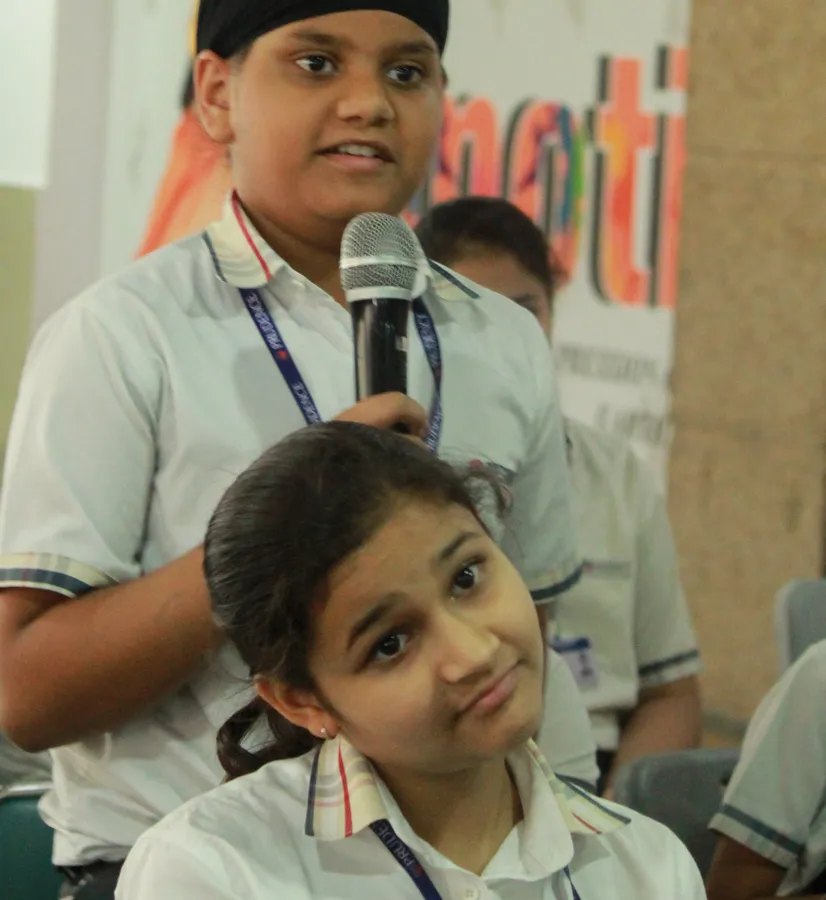
For an adult, endless praise is annoying. For a child still learning how good their ideas are, it's a distorted mirror. Honest, sometimes uncomfortable feedback from people is how children learn to judge their own work.
There is a second, quieter risk. Validation that is always available starts to feel personal: no judgment, no disagreement, always listening. If your child starts taking their problems to AI instead of to you, that's the behaviour to watch. AI should stay a tool your child uses, not a relationship that replaces people.
2. Instant answers instead of boredom
Hate me for this, but I think we have made boredom impossible for our children.
Waiting for food: phone. Sitting in the car: phone. Homework done: phone. There is almost no moment left in a child's day when nobody has handed them something to think about.
That matters, because some of the most important thinking children do happens in exactly those moments. They daydream. They make odd connections. They come up with questions and imagine things.
What the research says about boredom and creativity
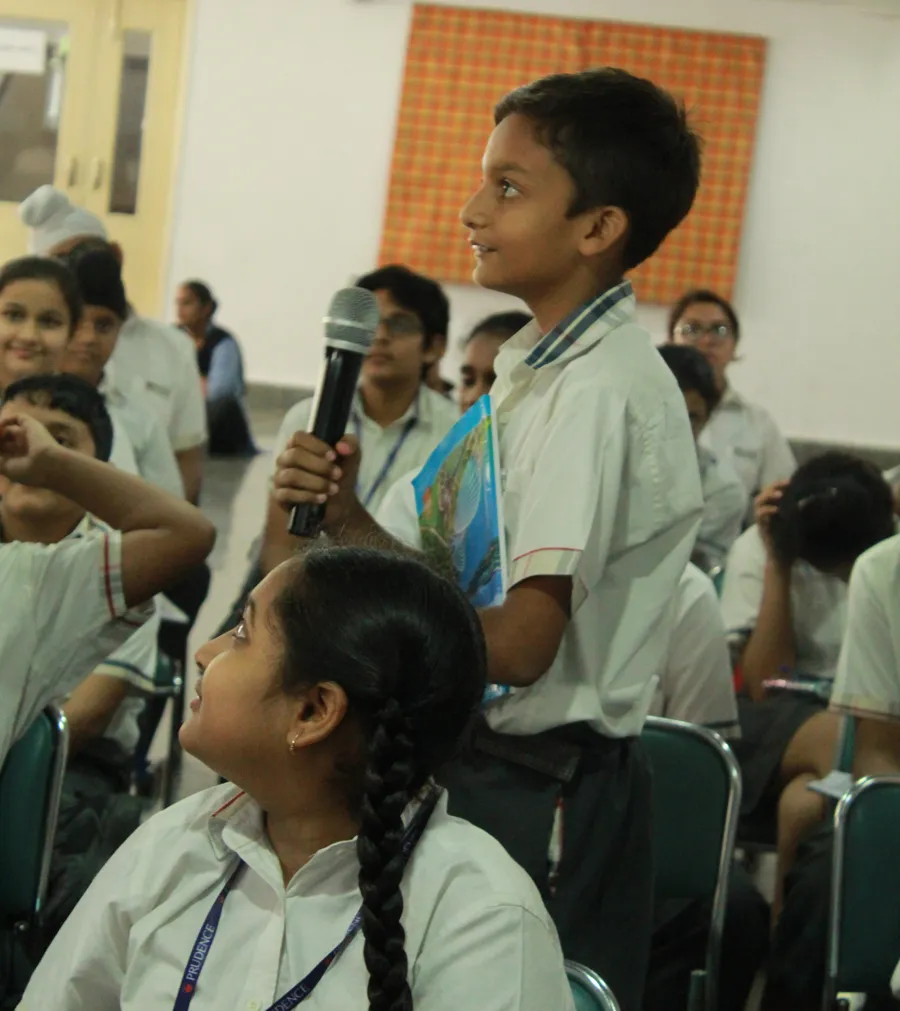
Psychologists have tested this directly.
- Boredom before a creative task helps. In two experiments at the University of Central Lancashire, Mann and Cadman (2014) had people do a dull task, like copying numbers from a phone book, before a creativity test. The bored groups came up with more creative ideas than those who skipped the dull task. The researchers point to daydreaming as the likely link.
- A wandering mind solves problems. At the University of California, Santa Barbara, Baird and colleagues (2012) gave people a creativity problem, then a break. Those who spent the break on an easy task that let their minds wander improved much more on the same problem than those who rested, did a demanding task, or had no break.
Both studies were with adults, and neither was about AI. But they point the same way: an unoccupied mind is not a wasted mind. It's often where the good ideas come from.
Where AI changes the picture
Phones already filled the empty moments. AI fills something else: the gap between a question and its answer. A child who doesn't know something no longer has to sit with not knowing. They can just ask, and get a complete answer in seconds.
I'm not saying take away your child's phone. I'm saying don't be afraid to let them be bored.
Next time your child says “I'm bored,” try saying “good.” Then see what happens.
3. AI's guess instead of a parent's instinct
Here's an experiment I ran on my Instagram, and you can run it at home tonight. I call it Parents vs AI.
- Answer three questions the way you think your child would. Honestly. No changing them later.
- What's something you really want right now?
- If you could change one thing about your life right now, what would it be?
- What is that one super power you wish you had but no one knew about it?
- Ask your child the same three questions. Count how many you got right.
- Ask the AI your child uses. With your child's knowledge, open the chat app they use most (ChatGPT, Gemini, Claude or another), paste the three questions and add this prompt:“Based on what you remember from our previous conversations, predict how I'd answer these three questions. Explain your reasoning, and tell me how confident you are. If you don't have enough information, say so.”Count how many it got right.
- Compare the scores. When I tried it with my 16-year-old nephew, I got 1 out of 3. The AI got 2.
One rule: if the AI got something right that you got wrong, don't ask your child how it knew. That spoils the experiment, and it can make your child feel watched.
What your score is really telling you
An AI can only answer questions about your child from what your child has told it. So a high AI score isn't proof that the machine is clever. It's a sign of where your child is doing their thinking out loud.
If the AI beat you, don't panic and don't confiscate anything. Treat it as information. It tells you which conversations your child is having with a machine that they could be having with you.
What to do: keep AI a tool, not a relationship
None of this needs a ban. It needs a few deliberate habits at home:
- Be the honest voice. AI will tell your child their idea is interesting. You can be the person who says, kindly, “I don't think that works. Why do you think it does?” Children need at least one source of feedback that isn't trying to keep them happy.
- Teach your child to ask AI for criticism. Show them how to type: “Find three weaknesses in my idea. Don't be polite.” It turns a flattering tool into a sparring partner. (I'll share more prompts like this in an upcoming post.)
- Protect some empty time. A car ride without a screen. Ten minutes after homework with nothing scheduled. When your child says they're bored, let the boredom do its work.
- Notice where your child takes their problems. If it's a chatbot more often than a person, that's your cue to open more conversations yourself, not to take the device away.
- Run Parents vs AI once a term. It's a quick, low-drama check on how well you know what's going on in your child's head.
Frequently asked questions
Is ChatGPT too agreeable for children?
It can be. AI chatbots tend to lean towards agreeing with and encouraging the user. In April 2025, OpenAI rolled back a ChatGPT update after admitting it had made the model noticeably more sycophantic. For children still learning to judge their own ideas, constant encouragement can replace the honest feedback they need.
What is AI sycophancy?
AI sycophancy is when a chatbot tells users what they want to hear: praising weak ideas, agreeing with mistaken beliefs or avoiding disagreement. It partly comes from training AI on what users rate highly, and people tend to rate agreement highly.
Is boredom good for children?
In moderation, yes. Studies with adults have found that a dull task before a creative one, or a break that lets the mind wander, leads to more creative ideas. Boredom gives children room to daydream, make connections and come up with their own questions.
Should I worry if my child talks to AI like a friend?
Watch for it, but don't panic. The warning sign is your child taking problems to AI instead of to people. Respond by opening more conversations yourself, not by taking the device away.
How can I make AI give my child honest feedback?
Teach your child to ask for criticism directly, for example: 'Find three weaknesses in my idea. Don't be polite.' A clear request for critique makes most chatbots far more useful than open-ended praise.

About the author
Tarush Jain is the founder of Brainwiz, a New Delhi-based education organisation working on thinking and soft skills for school and college students. He has about 15 years of experience in education, spanning edtech, government skilling programmes, a multi-year engagement with UNESCO across seven countries and 200+ schools, and training work with the Indian Army and NCC. He writes about AI, parenting and children's thinking on Instagram at @iamtarushjain.
Sources
- OpenAI (2 May 2025). Expanding on what we missed with sycophancy.
- TechCrunch (29 April 2025). OpenAI explains why ChatGPT became too sycophantic.
- The Register (30 April 2025). OpenAI pulls plug on ChatGPT smarmbot.
- Mann, S. & Cadman, R. (2014). Does Being Bored Make Us More Creative? Creativity Research Journal, 26(2), 165–173.
- Baird, B. et al. (2012). Inspired by Distraction: Mind Wandering Facilitates Creative Incubation. Psychological Science, 23(10), 1117–1122.